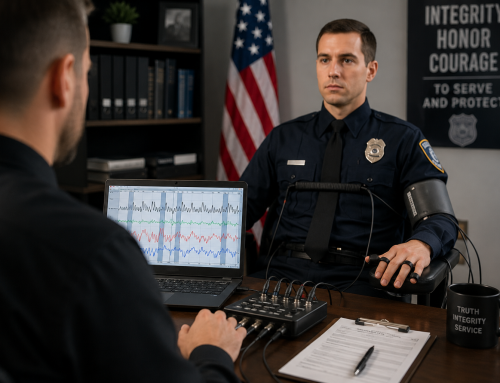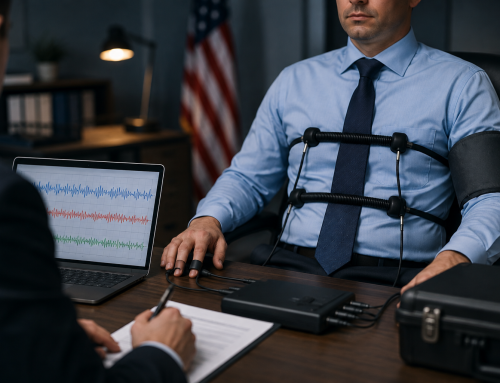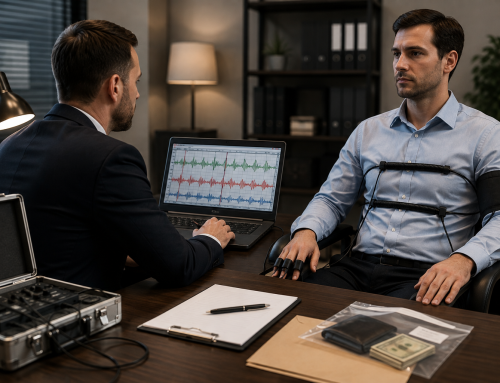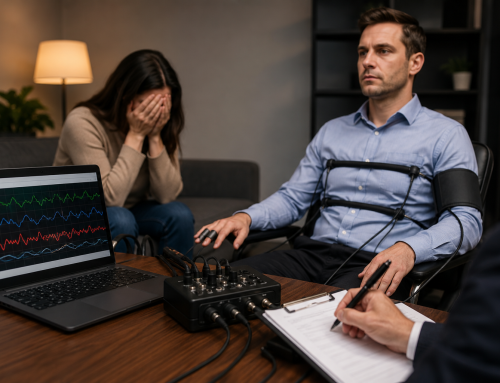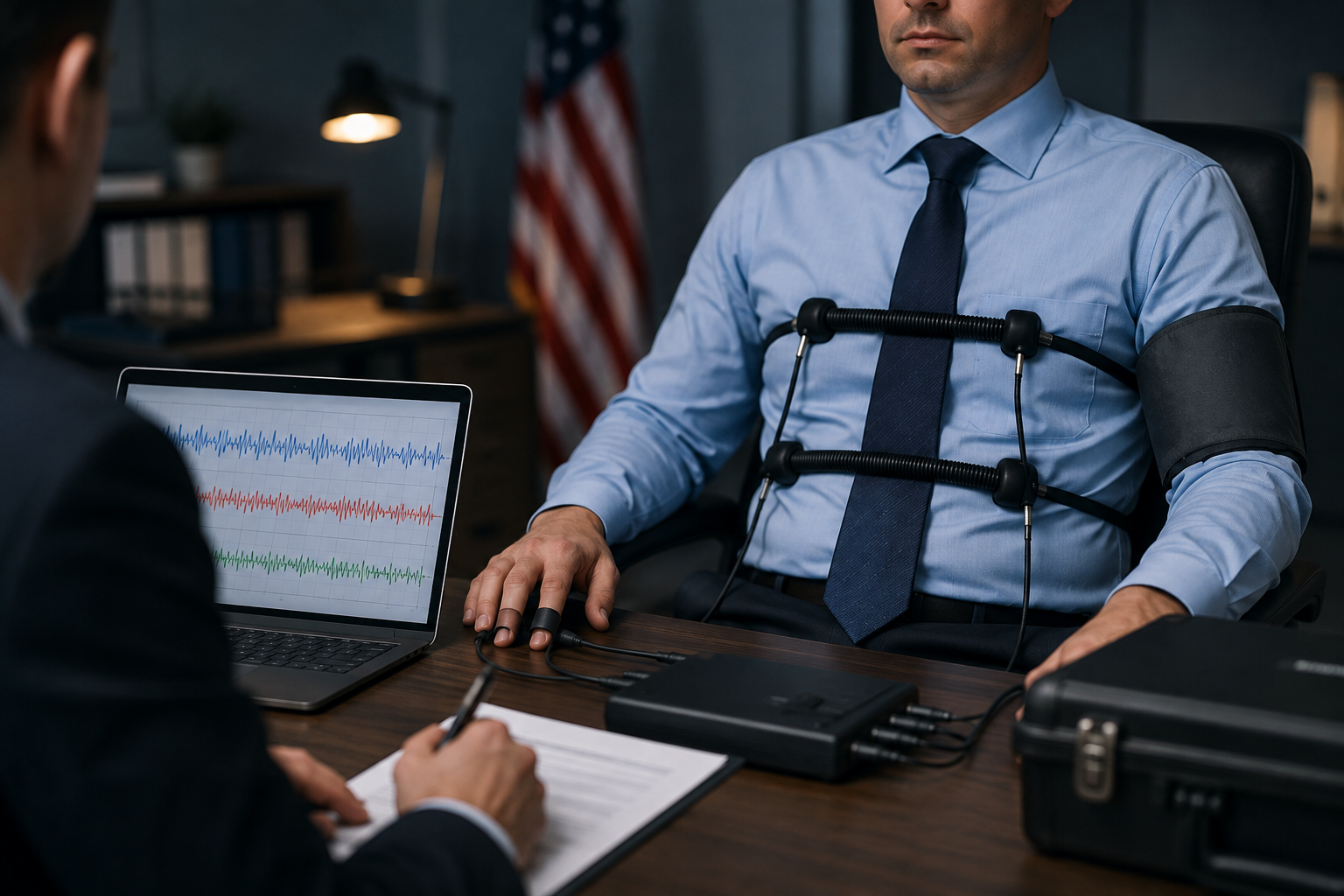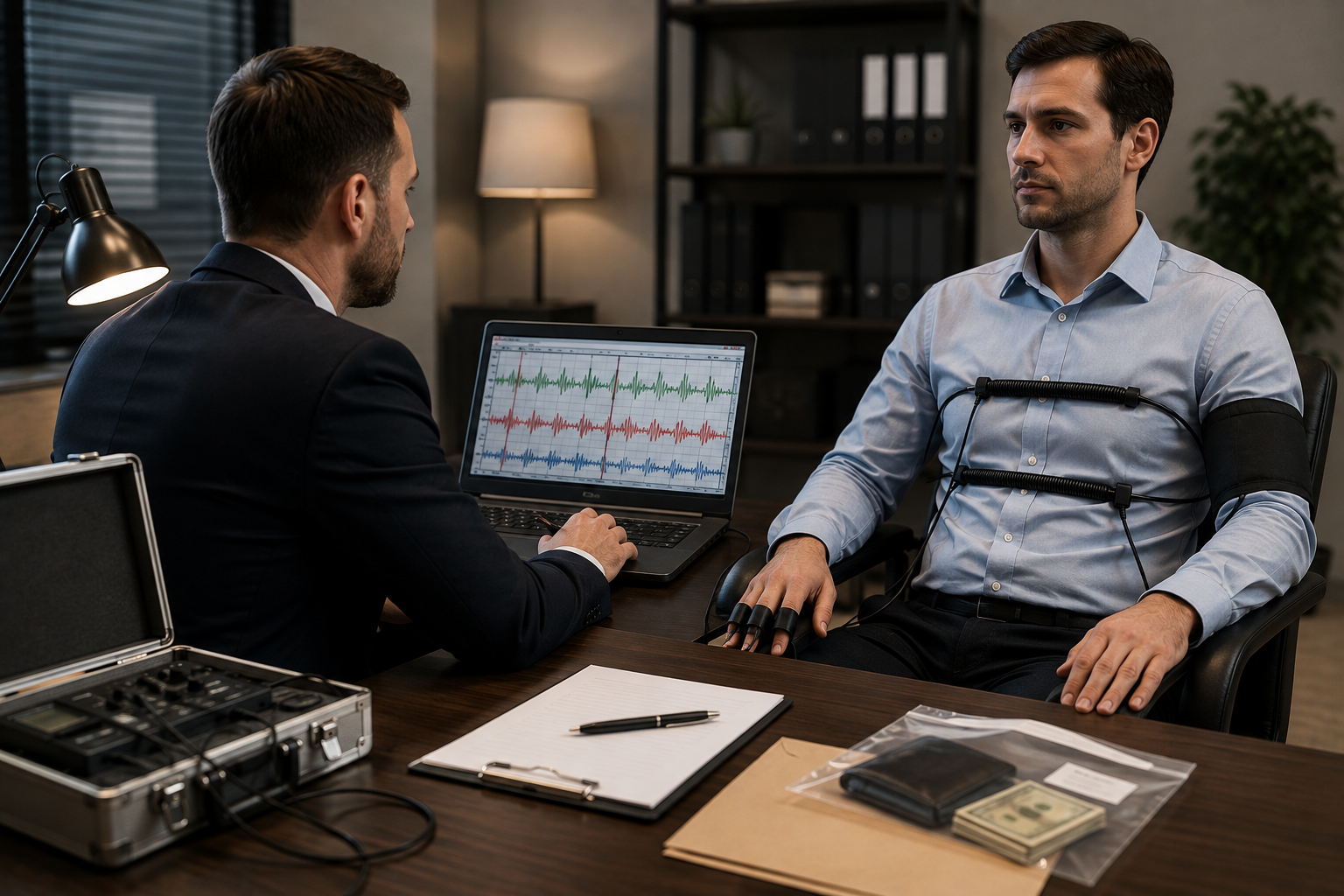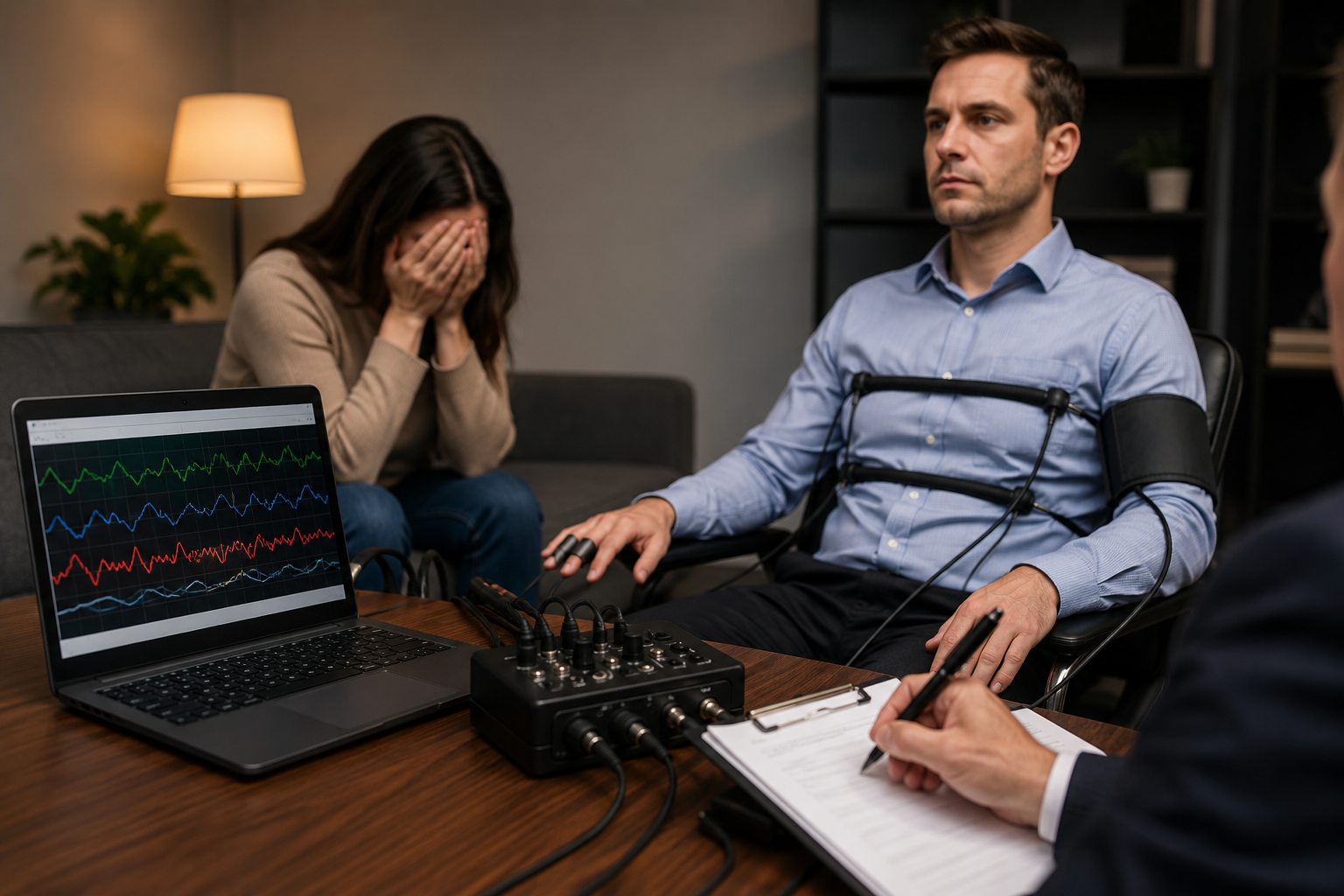
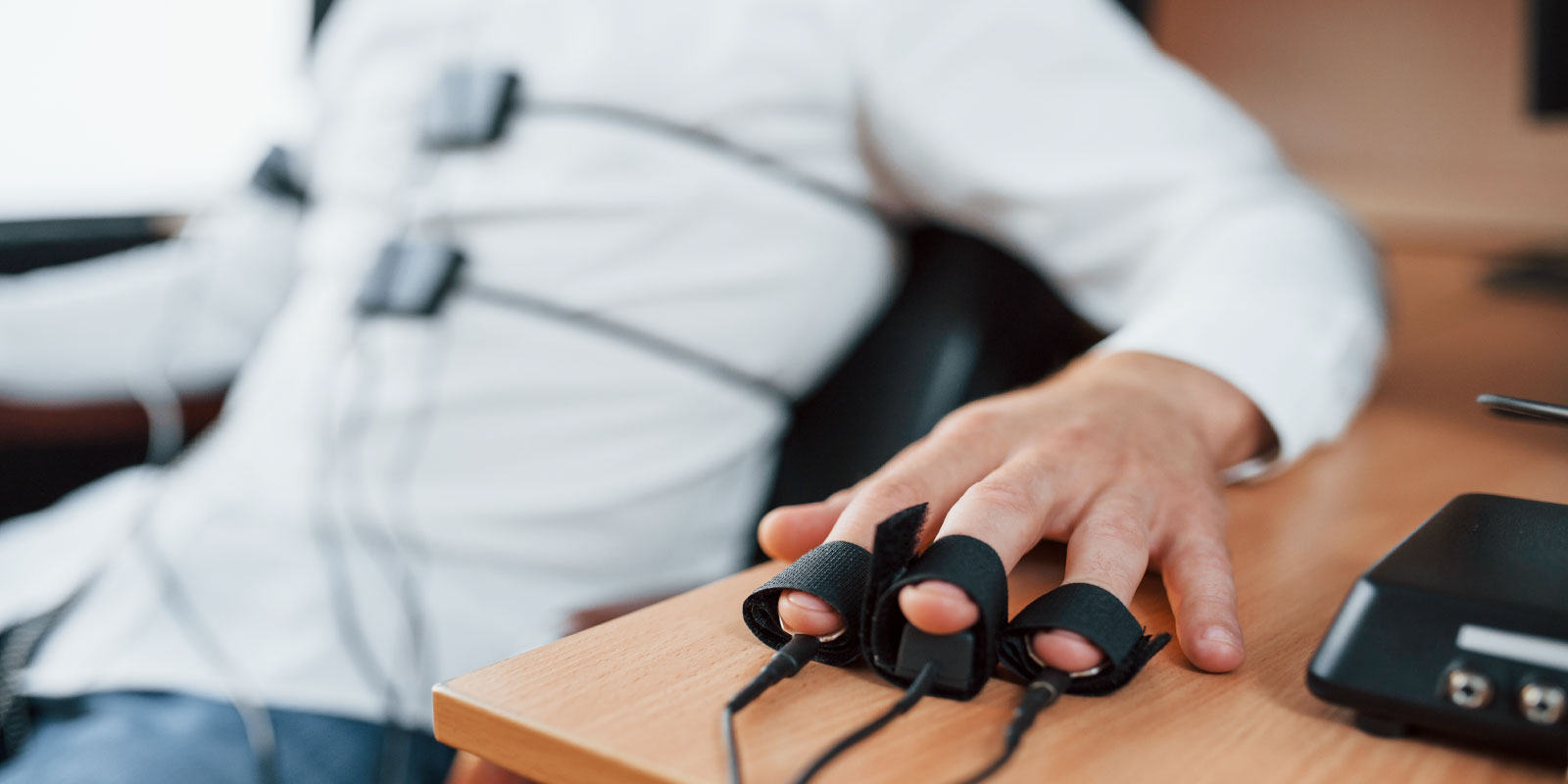
Polygraph examinations are often used to clarify the truth in legal matters, workplace investigations, and personal disputes. Because the results of a polygraph test can influence important decisions, choosing a qualified professional polygraph examiner is essential.
A trained examiner not only operates the polygraph equipment but also conducts interviews, analyzes physiological data, and ensures the test follows strict professional standards. The reliability of a polygraph examination often depends on the examiner’s training, experience, and ethical practices.
The Examiner Plays a Critical Role in Accuracy
Many people assume that the polygraph machine itself detects deception. In reality, the device records physiological responses such as breathing patterns, heart rate, and blood pressure, while the examiner interprets these results.
Because interpretation is a key part of the process, the skill and experience of the examiner directly affect the reliability of the test results. Well-trained examiners follow standardized protocols that help reduce errors and improve accuracy.
A poorly administered test or inexperienced examiner can lead to inaccurate conclusions and unnecessary stress for everyone involved.
Professional Training and Certification Matter
Becoming a certified polygraph examiner requires extensive education and training. Many certification programs require hundreds of hours of classroom instruction, practical training, and supervised examinations before a professional can administer tests independently.
Qualified examiners typically complete:
-
Accredited polygraph training programs
-
Certification exams and professional licensing (where required)
-
Ongoing continuing education to stay updated on new techniques
Continuing education is particularly important because polygraph science evolves as new research and technologies emerge.
Ethical Standards and Professional Conduct
Professional polygraph examiners must follow strict ethical guidelines to ensure fairness, confidentiality, and accuracy. These standards help protect the rights of the examinee and maintain the integrity of the testing process.
Ethical examiners typically:
-
Conduct thorough pre-test interviews
-
Explain the testing procedure clearly
-
Maintain confidentiality of results
-
Avoid misleading claims about test outcomes
Professional organizations and certification bodies also require members to follow ethical codes and professional conduct standards.
The Importance of Proper Interview Techniques
A polygraph examination involves more than attaching sensors and recording data. The pre-test interview is one of the most important parts of the process because it helps establish baseline responses and develop accurate questions.
Skilled examiners use structured interviews to build trust with the examinee and gather important background information before conducting the test. Effective interviewing improves the reliability of the final results.
Avoiding Unqualified or Misleading Services
Because polygraph testing is not regulated the same way in every region, some individuals advertise services without proper training or certification. This can lead to unreliable tests and misleading results.
Before hiring an examiner, it is important to verify:
-
Professional training and certification
-
Membership in recognized polygraph associations
-
Experience with similar cases
-
Clear explanations of the testing process
Checking credentials helps ensure the examiner follows legitimate professional standards.
Reliable Polygraph Services Require Experience and Professionalism
Polygraph examinations are often used in situations where trust and credibility are critical. Whether the test is being used in a legal case, workplace investigation, or personal matter, the examiner’s qualifications play a major role in ensuring reliable results.
Working with a qualified professional polygraph examiner helps ensure that the examination is conducted ethically, accurately, and according to established industry standards.
If you need professional polygraph examination services, working with a qualified examiner is essential for accurate and reliable results.
At Polygraph Examinations, we provide confidential, professional polygraph testing conducted by experienced examiners who follow recognized industry standards.