

Law enforcement agencies are responsible for selecting individuals who can be trusted with significant authority, sensitive information, and public safety responsibilities. Because of this, the recruitment process for police officers and other law enforcement positions is often more extensive than a standard employment screening.
Depending on the agency and applicable laws or policies, a polygraph examination may be included as part of the hiring process. A police applicant polygraph can help agencies explore relevant areas of an applicant’s background and verify information provided during previous stages of recruitment.
For applicants, understanding how a **law enforcement screening test** works can make the process clearer and help them approach the examination prepared to provide accurate and consistent information.
What Is a Police Applicant Polygraph?
A police applicant polygraph** is an examination that may be used during the pre-employment screening process for law enforcement candidates. It is generally designed to address specific topics related to an applicant’s background and the information disclosed during the hiring process.
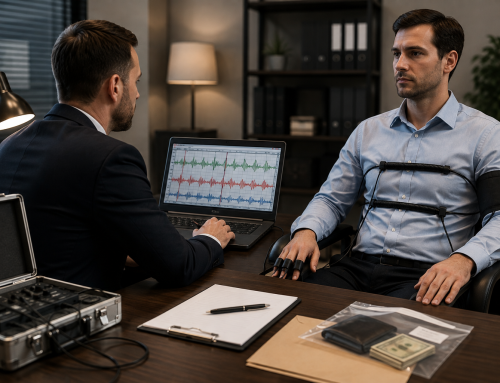
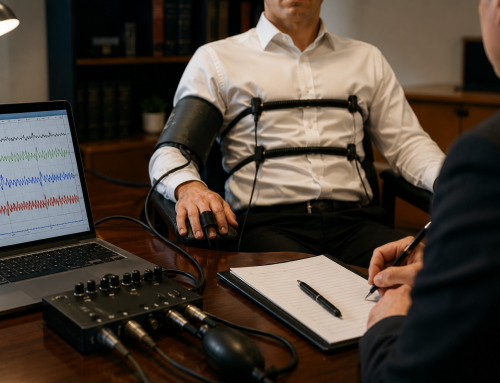
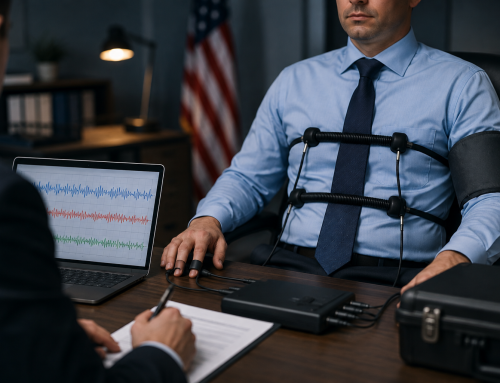
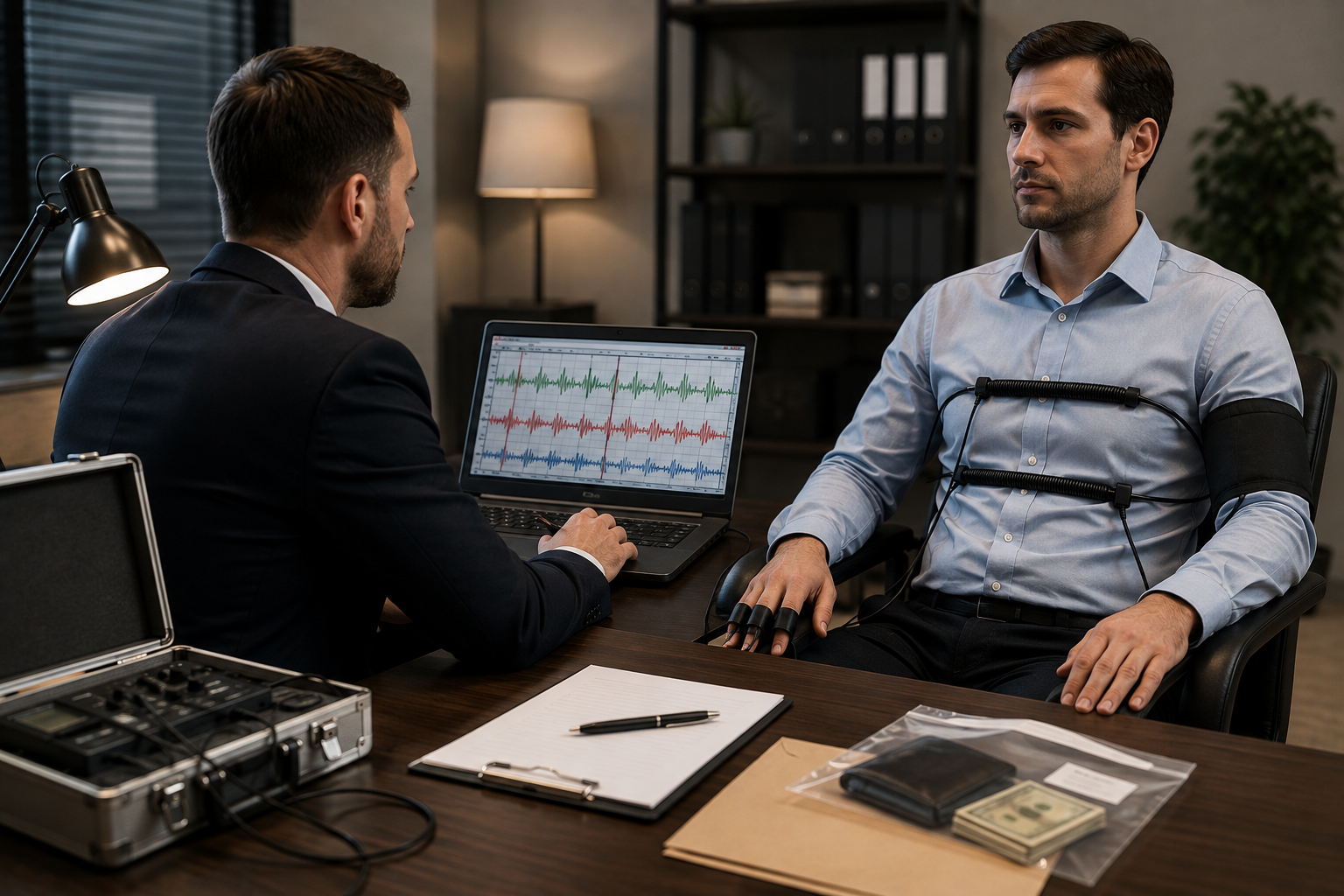
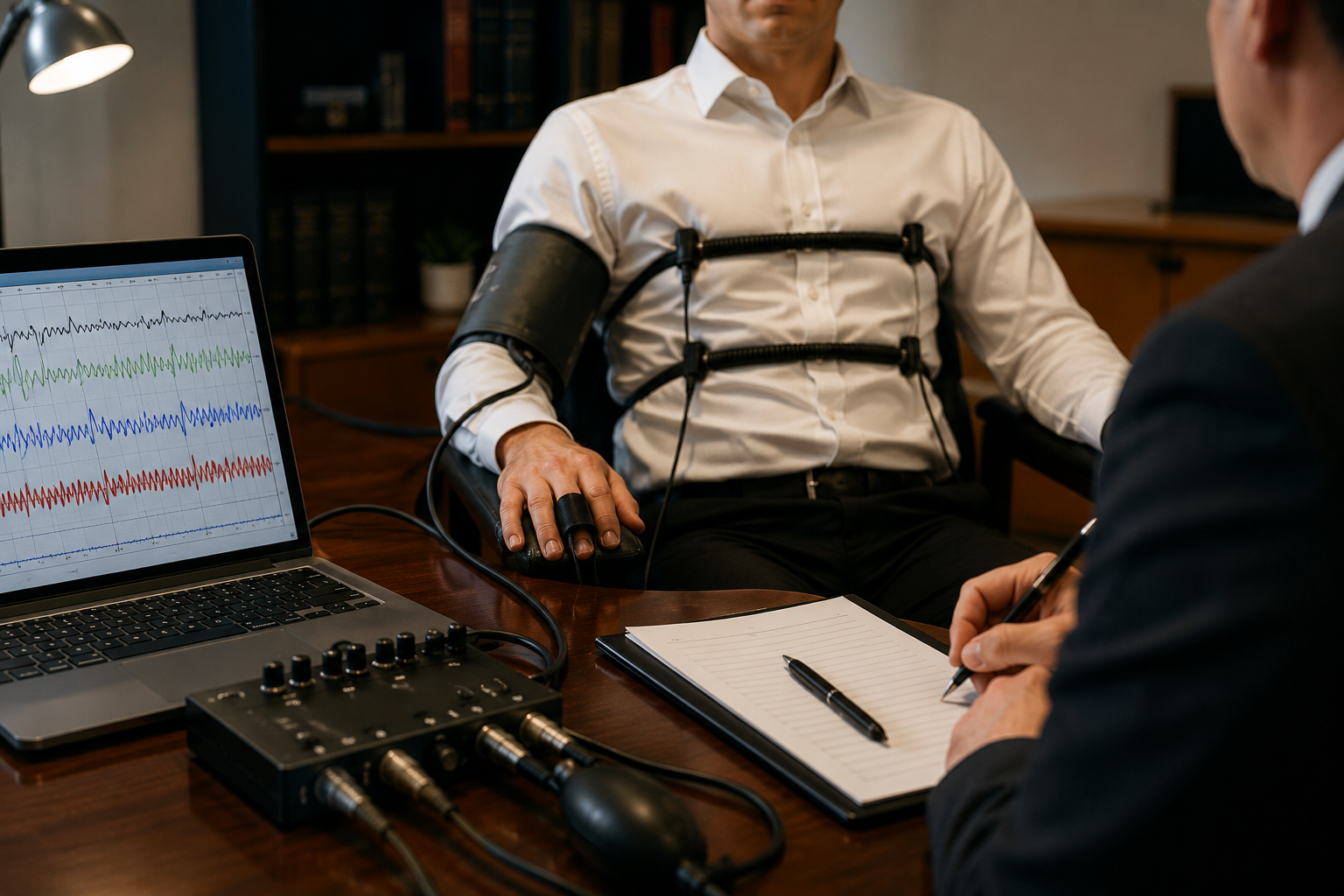
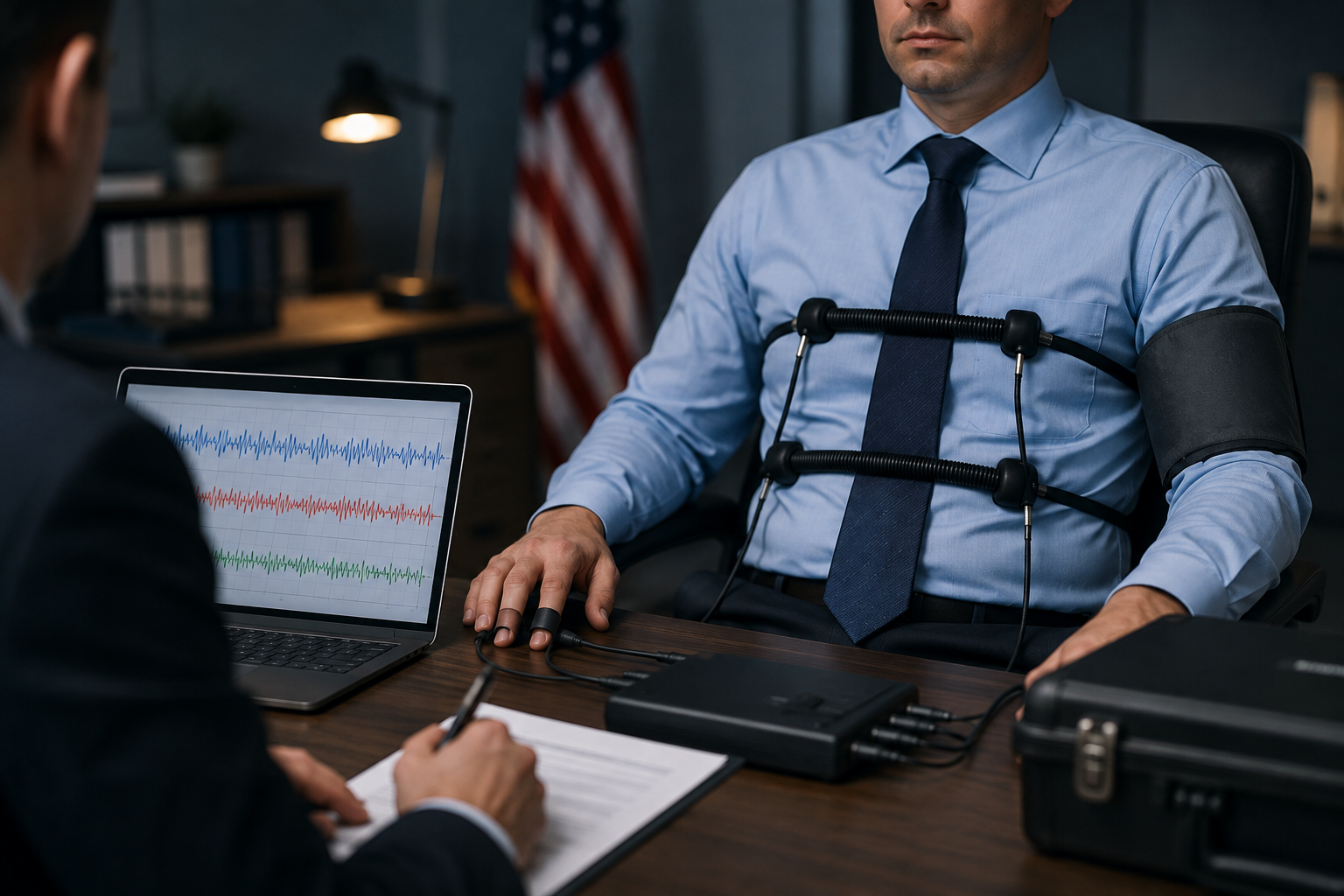
A polygraph instrument records physiological responses while an examiner asks a structured series of questions. The examination is conducted according to an established procedure that typically includes an interview before the testing phase.
The purpose is not simply to determine whether an applicant “passes” or “fails.” Instead, the examination can provide additional information that an agency may consider alongside background investigations, interviews, application materials, and other recruitment requirements.
Why Do Law Enforcement Agencies Use Polygraph Screening?
Police officers and other law enforcement professionals may have access to confidential information, evidence, restricted areas, and significant legal authority. Agencies therefore place considerable importance on integrity and accurate disclosure during recruitment.
A law enforcement screening test involving a polygraph may help agencies evaluate whether information provided by an applicant is consistent with information discussed during the examination.
Depending on the agency, screening may address areas relevant to employment suitability and background investigations. The exact topics and procedures can vary according to agency policies, jurisdiction, and applicable regulations.
Polygraph testing should therefore be viewed as one component of a broader recruitment and background-screening process rather than as a replacement for other investigative methods.
What Happens During a Police Hiring Polygraph?
Although procedures may differ among agencies and examiners, a professional **police hiring polygraph** generally involves several stages.
1. Pre-Test Interview
Before the examination begins, the examiner typically explains the process and reviews relevant information with the applicant.
This stage allows the applicant to understand the examination procedure and clarify questions before testing starts. The examiner may also review the questions that will be addressed during the examination.
2. Polygraph Examination
During the testing phase, sensors connected to the polygraph instrument record selected physiological responses while the examiner asks predetermined questions.
Questions should be clearly explained before the examination so that the applicant understands what is being asked.
3. Review of the Examination
After the testing phase, the examiner evaluates the collected data according to the methodology being used. If additional clarification is necessary, the examiner may discuss relevant responses with the applicant.
The results are then handled according to the policies and procedures established for the examination.
What Topics May Be Covered?
The specific areas covered during a police applicant polygraph** depend on the hiring agency and its requirements. Applicants should rely on the instructions provided by the agency or examiner rather than assuming that every examination covers identical subjects.
Screening questions may relate to information that is relevant to the candidate’s background investigation and employment application. The goal is typically to evaluate the accuracy and completeness of information provided during recruitment.
Applicants should answer questions truthfully and avoid attempting to predict what an examiner wants to hear. Providing clear and accurate information throughout the hiring process is important because inconsistencies may require additional clarification.
How Should Applicants Prepare?
Preparing for a police hiring polygraph does not require special tricks or techniques. Applicants should instead focus on understanding the instructions provided by the hiring agency and being prepared to discuss their background accurately.
Before the examination, candidates should review the information they have already submitted during the recruitment process. This can help ensure that their responses remain accurate and consistent.
Applicants should also listen carefully during the pre-test interview and ask for clarification if they do not understand a question. A professional examination should provide an opportunity to understand the relevant questions before the testing phase begins.
Most importantly, candidates should approach the examination with honesty and cooperation.
The Importance of Professional Polygraph Examinations
The quality of a polygraph examination depends heavily on the procedures used and the qualifications of the examiner. Law enforcement recruitment examinations should be conducted professionally, consistently, and in accordance with applicable standards and requirements.
An experienced examiner understands how to structure the examination, explain the process, formulate appropriate questions, collect physiological data, and evaluate the resulting information.
Professional procedures also help ensure that both the hiring organization and the applicant clearly understand the purpose and scope of the examination.
Polygraph Testing as Part of a Complete Background Investigation
A polygraph examination should not be viewed in isolation. Law enforcement recruitment commonly involves several screening methods designed to evaluate whether candidates meet an agency’s requirements.
Background investigations, interviews, employment history verification, reference checks, and other assessments may all contribute information to the hiring decision.
When a law enforcement screening test includes a polygraph examination, the information obtained can complement these other screening procedures and help agencies identify areas that may require further review.
This broader approach allows agencies to make employment decisions based on multiple sources of information rather than relying exclusively on a single assessment.
Professional Polygraph Services for Law Enforcement Screening
Law enforcement recruitment requires careful evaluation because agencies need candidates who can meet demanding standards of integrity, responsibility, and professionalism.
A properly administered police applicant polygraph can serve as a valuable component of the screening process by helping verify relevant information and identify areas requiring additional clarification.
For applicants, understanding the examination process can reduce uncertainty and make it easier to approach the screening professionally. For agencies, working with a qualified polygraph examiner can support a structured and consistent recruitment process.
Polygraph Examinations provides professional polygraph testing services for a variety of investigative, employment, legal, and screening needs. If your agency requires professional polygraph services or you need additional information about law enforcement screening examinations, contact us to learn more about available testing options.