
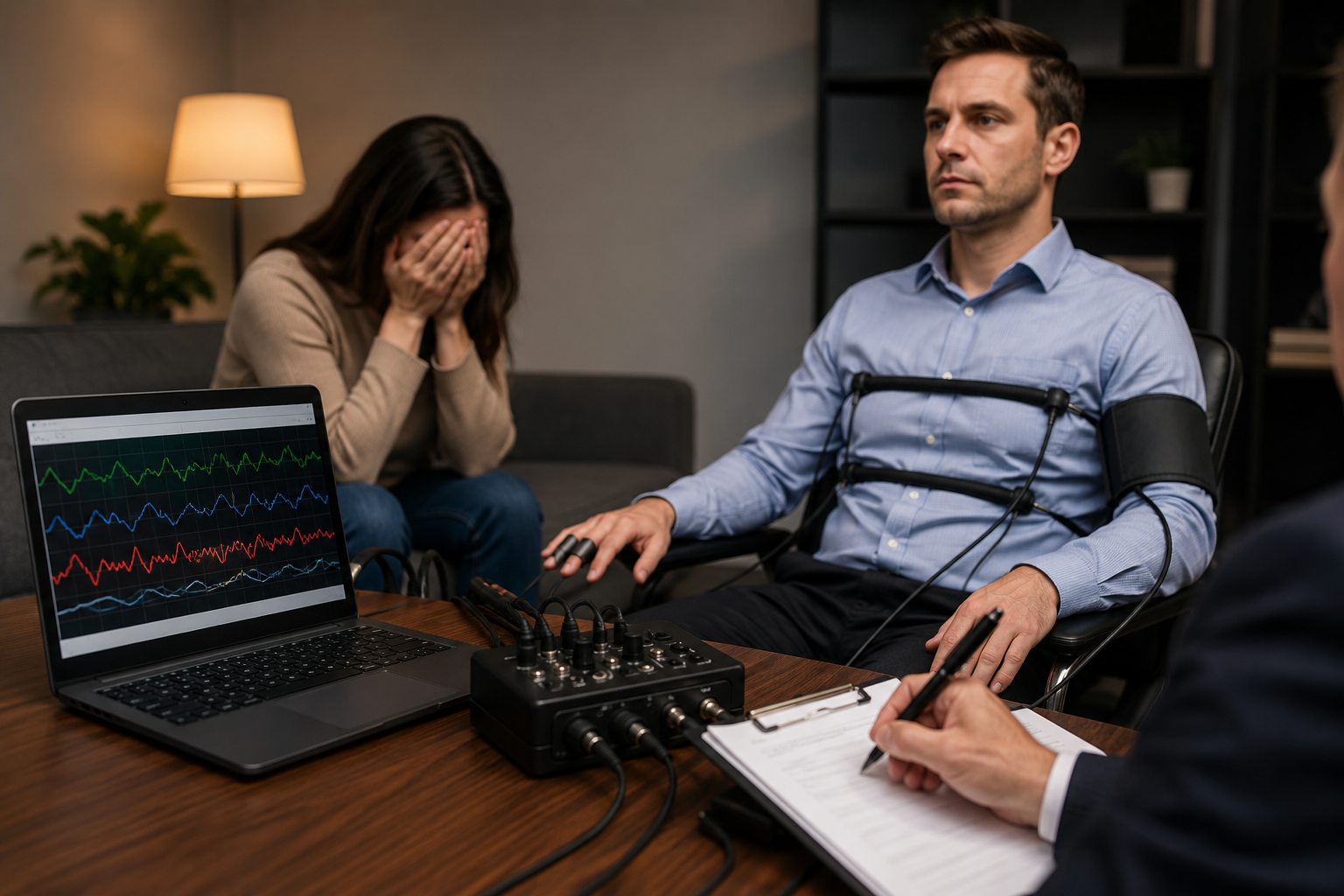
Trust is the foundation of every healthy relationship. When suspicions of infidelity arise, unanswered questions can create emotional stress, anxiety, and uncertainty. While honest communication should always be the first step, some couples reach a point where they need an additional tool to help clarify the truth.
An infidelity polygraph test provides an objective method for addressing concerns about honesty. Whether you’re seeking peace of mind, rebuilding trust, or making an informed decision about your relationship, a professionally administered polygraph examination can offer valuable answers.
What Is an Infidelity Polygraph Test?
An infidelity polygraph test is a specialized examination designed to determine whether a person is being truthful when answering questions related to suspected cheating or relationship concerns.
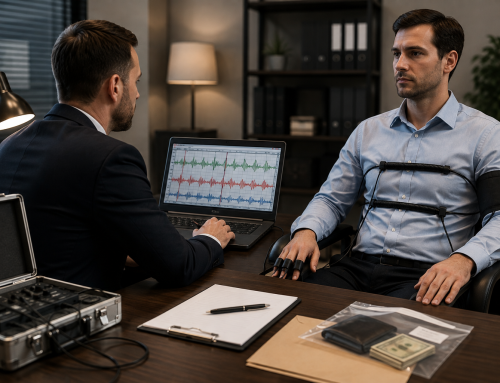
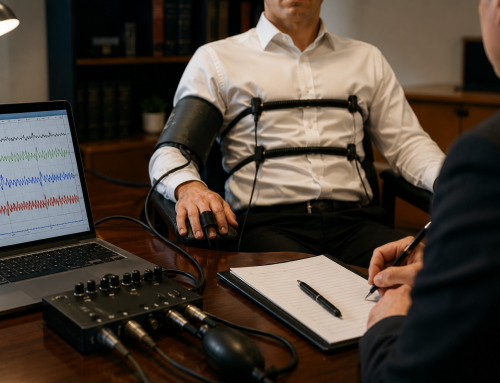
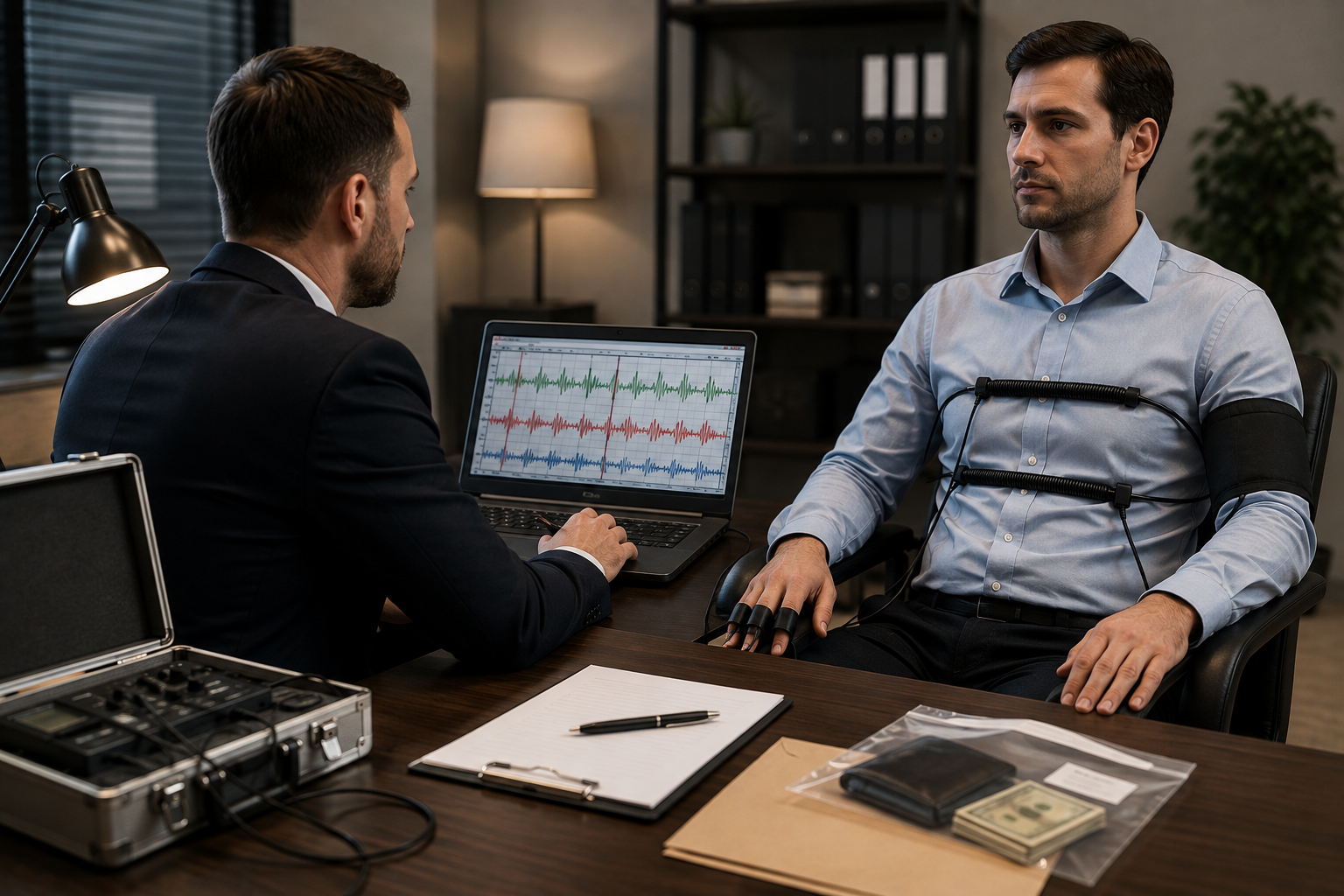
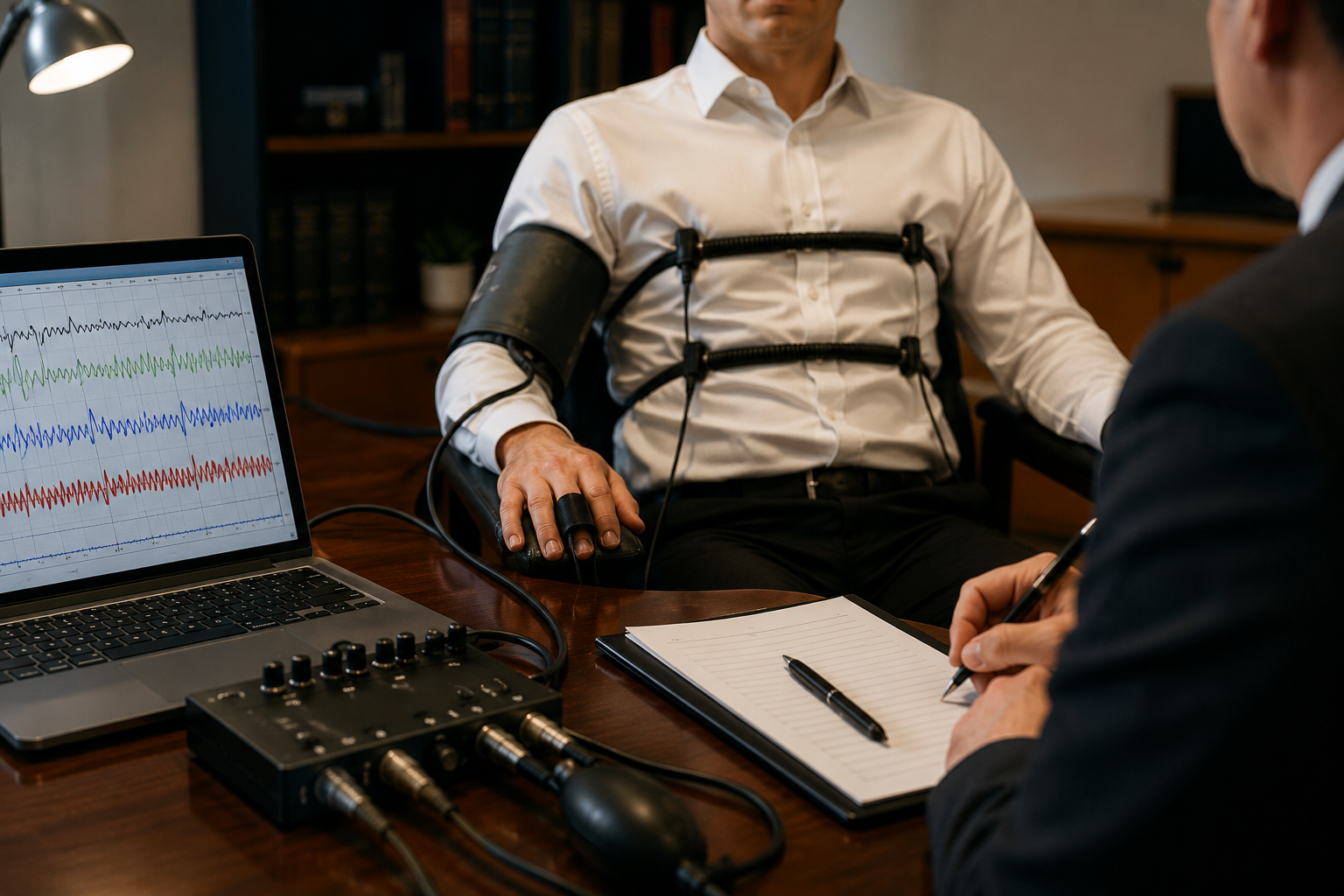
The test measures physiological responses such as:
- Heart rate
- Blood pressure
- Breathing patterns
- Skin conductivity
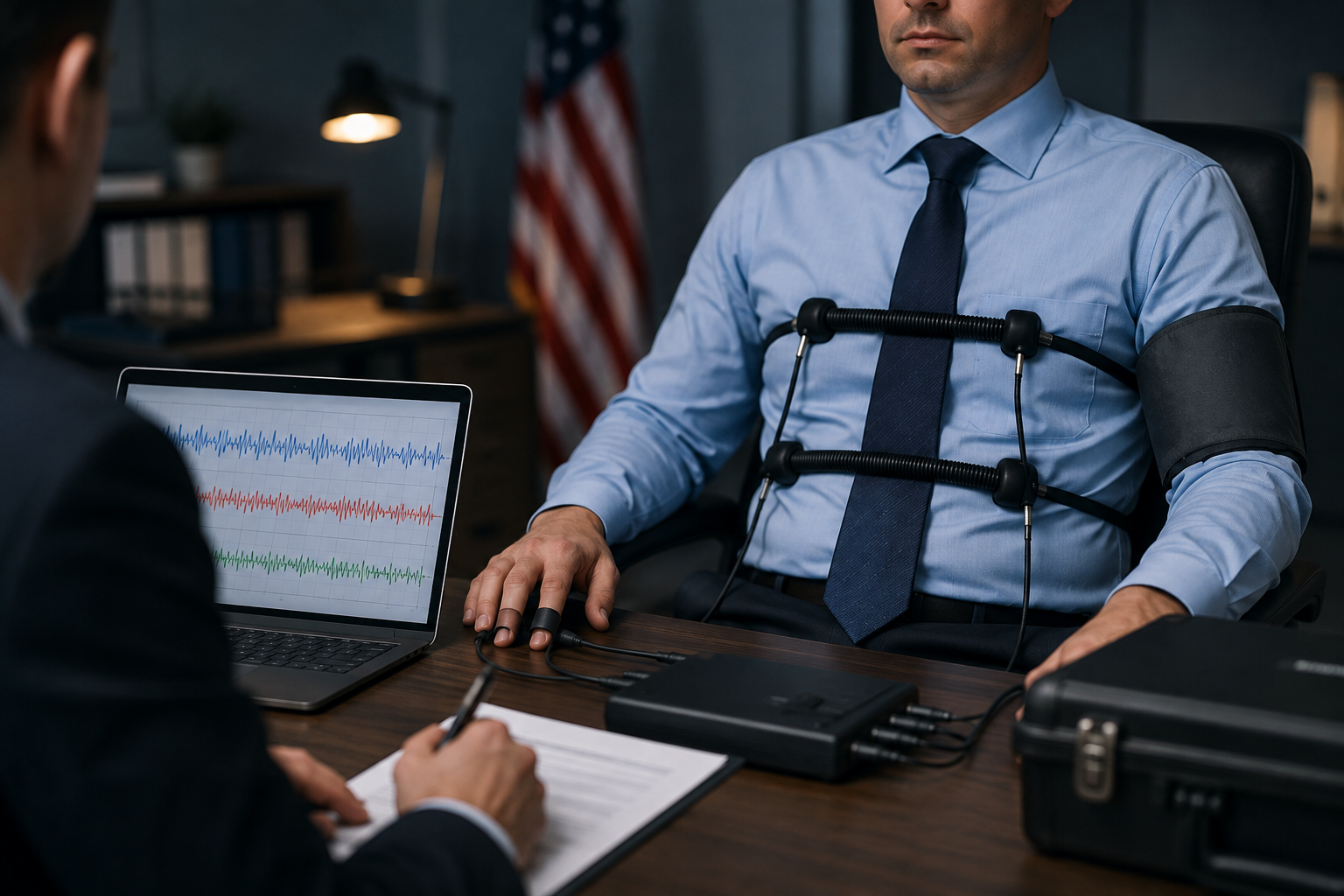
These measurements are evaluated alongside carefully structured questions by a trained polygraph examiner.
Unlike casual accusations or assumptions, a professionally conducted examination focuses on factual, specific questions that help establish whether an individual is being truthful.
Why Couples Choose a Relationship Polygraph Examination
Relationships often suffer when uncertainty lingers. Even if no infidelity occurred, ongoing suspicion can damage communication and emotional well-being.
A relationship polygraph examination may help couples:
- Address allegations of cheating
- Resolve unanswered questions
- Rebuild trust after a difficult situation
- Support counseling or relationship therapy
- Gain clarity before making major life decisions
Many clients report that having clear answers allows them to move forward rather than remaining stuck in uncertainty.
When Is a Cheating Spouse Lie Detector Test Appropriate?
- A cheating spouse lie detector examination may be considered when:
- One partner suspects emotional or physical infidelity.
- There are conflicting stories about past events.
- Communication has completely broken down.
- A couple wants objective clarification before reconciliation.
- Both parties agree to use the examination voluntarily.
The decision to undergo testing must be made willingly and respectfully, without coercion.
Common Questions Asked During an Infidelity Polygraph Test
Every examination is customized to the circumstances of the relationship. Questions are developed during a pre-test interview and are designed to be clear, direct, and answerable with “yes” or “no.”
Examples may include:
- Have you had sexual contact with another person during your relationship?
- Have you intentionally hidden a romantic relationship from your partner?
- Have you lied about meeting someone outside your relationship?
- Have you been completely truthful about your relationship with a specific individual?
Professional examiners work closely with clients to ensure each question is relevant, fair, and unambiguous.
The Polygraph Examination Process
Understanding what to expect can reduce anxiety before the appointment.
1. Initial Consultation
The examiner discusses the situation, reviews the concerns, and identifies the issues that need clarification.
2. Question Review
Each question is reviewed carefully before the test begins. The examinee knows every question in advance.
3. Testing Phase
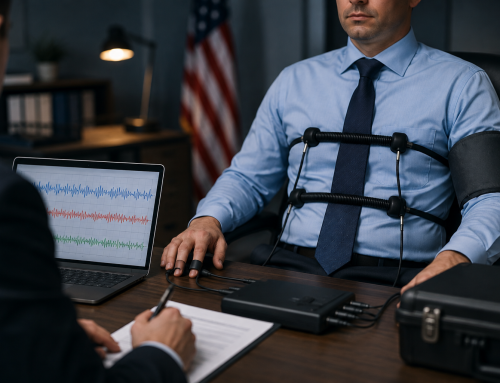
The polygraph equipment records physiological responses while the examinee answers the agreed-upon questions.
4. Results
After analyzing the data, the examiner explains the findings and provides the results according to professional testing standards.
The process is designed to be confidential, respectful, and impartial.
Can an Infidelity Polygraph Help Restore Trust?
For many couples, uncertainty is often more damaging than the truth itself.
An infidelity polygraph test can help:
Reduce ongoing suspicion
Encourage honest conversations
Support relationship counseling
Provide reassurance when accusations are unfounded
Help individuals make informed personal decisions
While a polygraph cannot repair a relationship on its own, it can provide a starting point for rebuilding communication and accountability.
Is a Polygraph Test Accurate?
Modern polygraph examinations, when administered by qualified professionals using validated testing techniques, are considered highly reliable investigative tools.
Accuracy depends on several factors, including:
The examiner’s training and experience
Proper testing procedures
Well-constructed questions
The examinee’s cooperation
Choosing an experienced examiner is essential to obtaining reliable results.
Confidentiality Matters
Relationship concerns are deeply personal. Reputable polygraph examiners treat every case with strict confidentiality and professionalism.
Information discussed during the examination remains private, allowing clients to seek answers in a secure and respectful environment.
Choosing the Right Polygraph Examiner
When searching for an examiner, look for professionals who offer:
- Experience with relationship and infidelity cases
- Professional certification
- Confidential testing procedures
- Clear explanations of the examination process
- Ethical and unbiased testing practices
Working with an experienced examiner ensures the process is conducted fairly and professionally.
Take the First Step Toward Clarity
Living with unanswered questions can place tremendous strain on any relationship. If you and your partner are seeking honest answers, an infidelity polygraph test may provide the clarity needed to move forward with confidence.
Whether your goal is reconciliation, closure, or peace of mind, a professionally administered relationship polygraph examination can help establish the facts in a respectful, confidential, and objective manner.
Contact our experienced team today to schedule a confidential consultation and learn how a cheating spouse lie detector examination can help you find the answers you’re looking for.