

Why Pre-Employment Polygraph Testing Matters
Hiring the wrong employee can expose an organization to financial loss, security breaches, workplace misconduct, and reputational damage. While resumes, interviews, and reference checks remain essential parts of the hiring process, many employers—particularly those in high-security or high-trust industries—also rely on pre-employment polygraph screening as an additional layer of candidate evaluation.
For organizations responsible for handling sensitive information, valuable assets, or public safety, verifying a candidate’s honesty can significantly reduce hiring risks. When conducted legally, ethically, and by qualified professionals, polygraph examinations help employers make more informed hiring decisions.
What Is Pre-Employment Polygraph Screening?
Pre-employment polygraph screening is a structured examination designed to assess the truthfulness of a job applicant’s responses regarding topics relevant to a specific position.
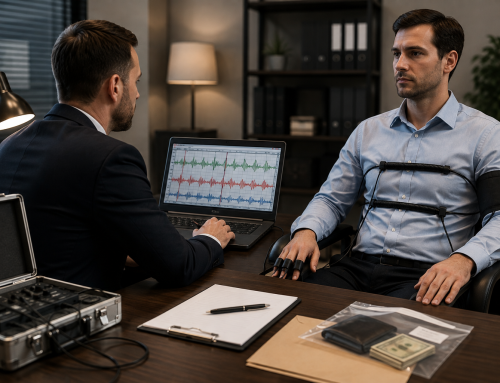
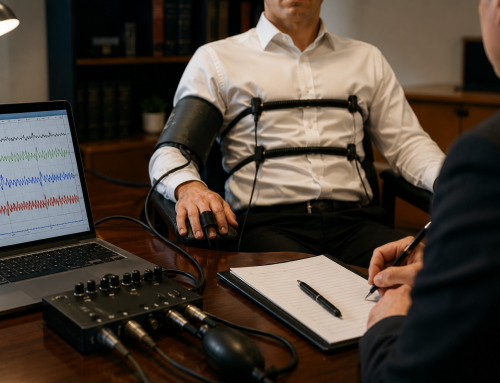
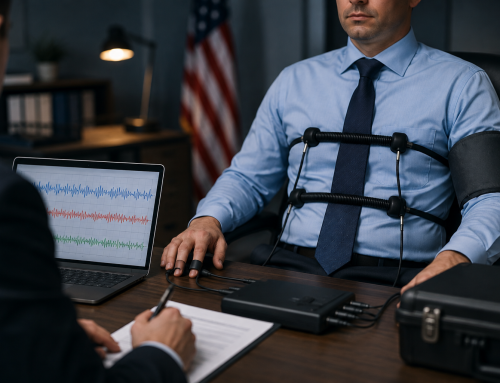
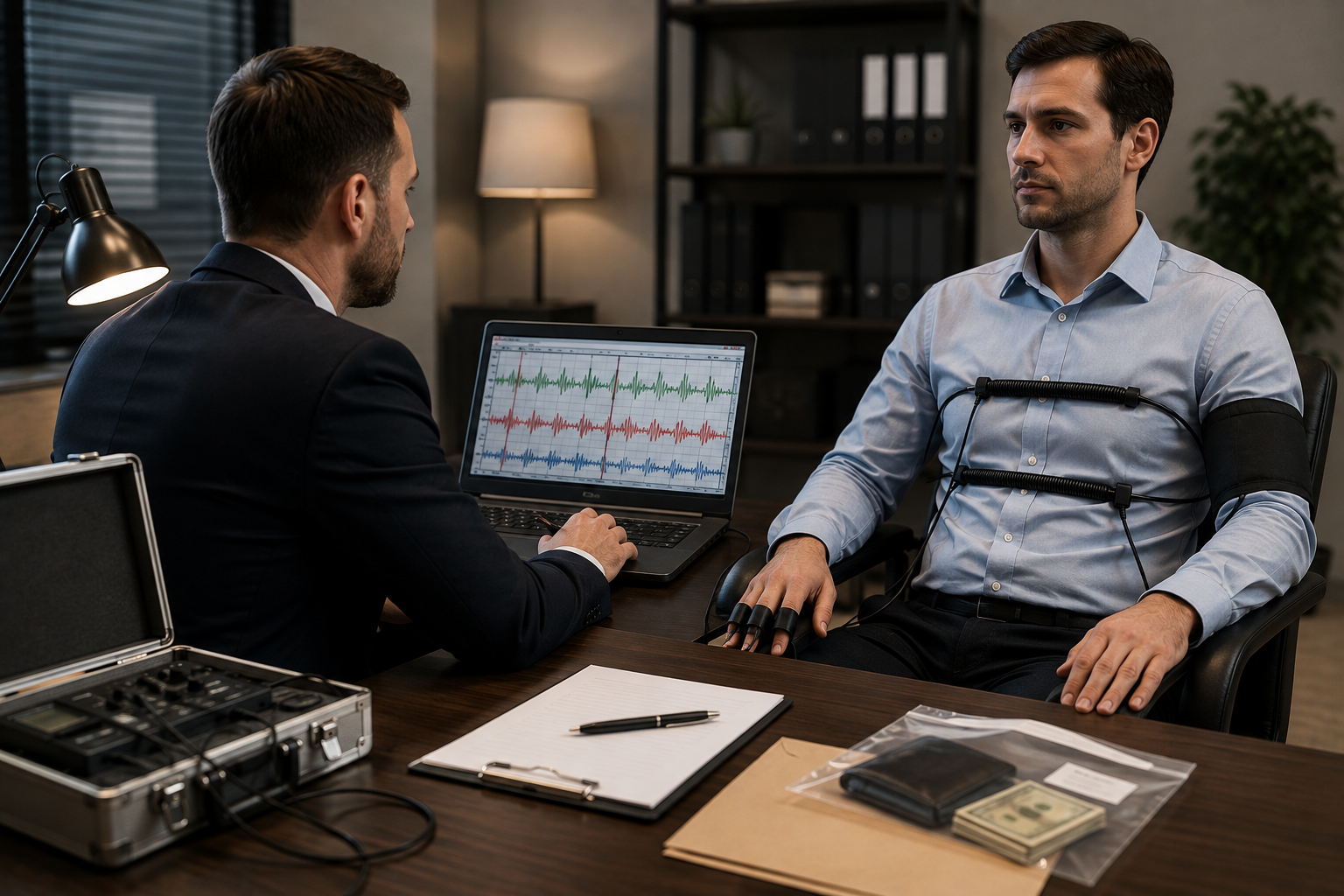
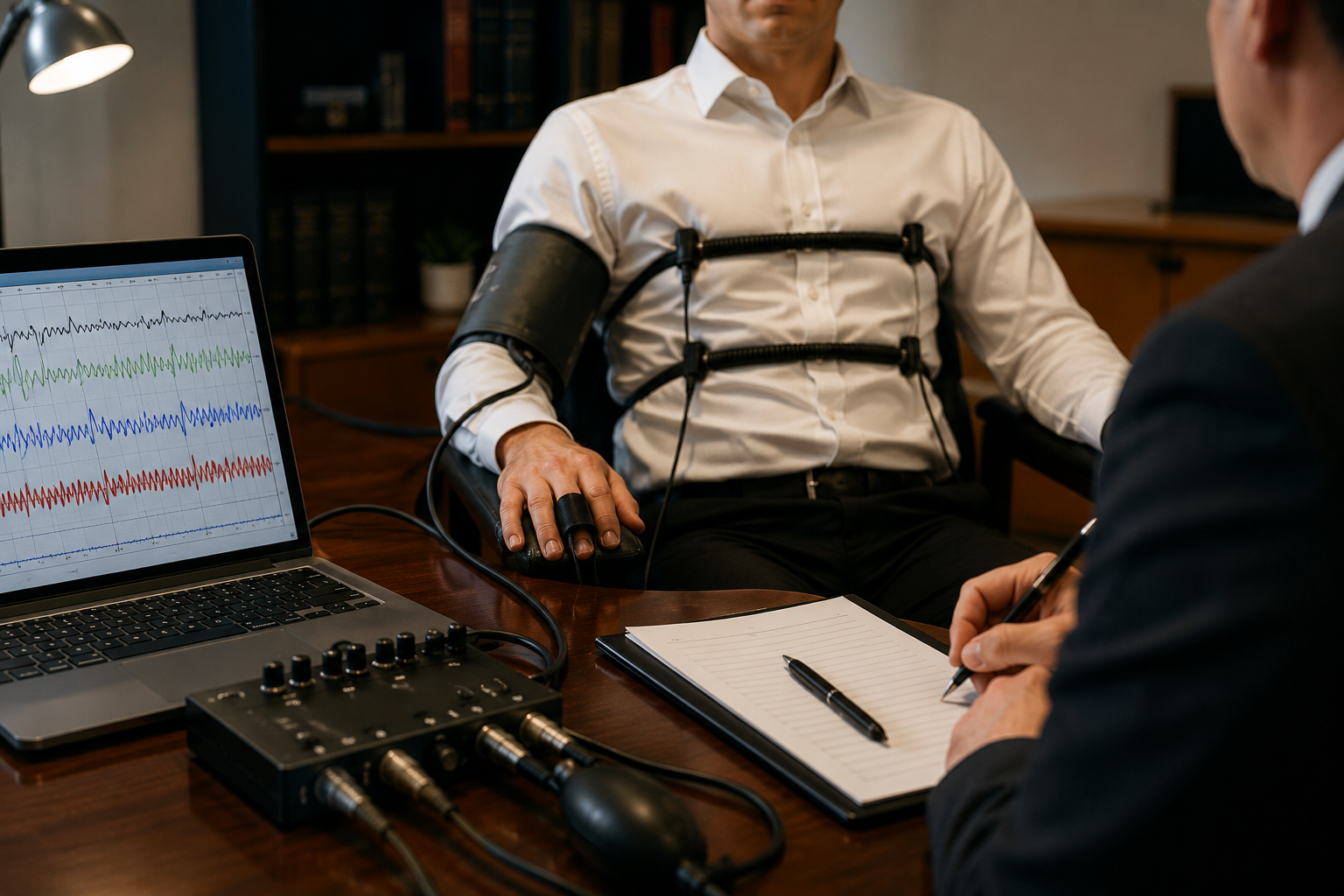
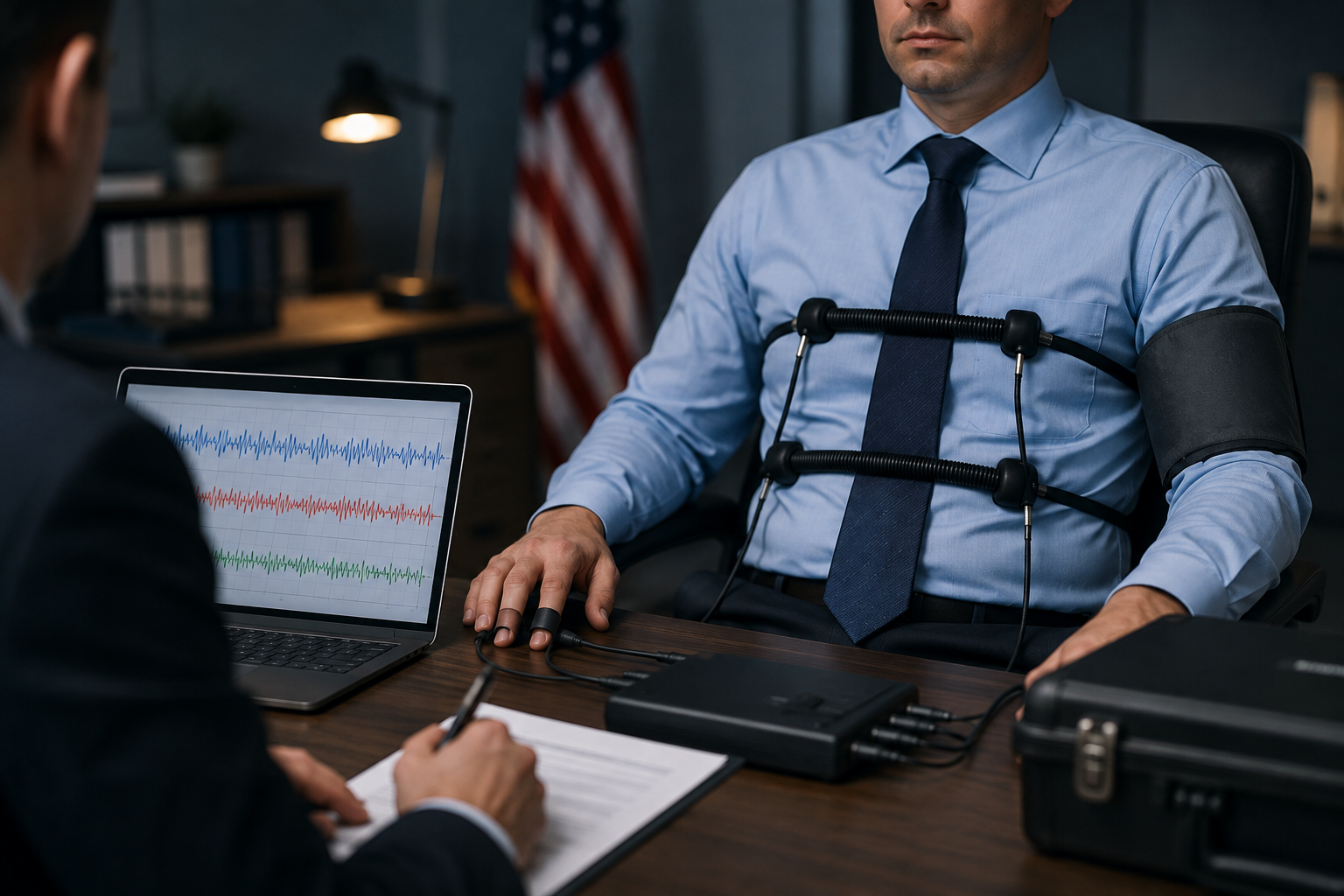
During the examination, a certified examiner asks carefully developed questions while monitoring physiological responses such as:
- Heart rate
- Blood pressure
- Respiratory patterns
- Skin conductivity (electrodermal activity)
The examination is not intended to replace interviews or background investigations. Instead, it serves as an additional screening tool that complements an organization’s existing hiring process.
How the Pre-Employment Polygraph Process Works
A professional polygraph examination generally follows several important stages.
1. Pre-Test Interview
The examiner explains:
The purpose of the examination
The testing procedure
The applicant’s rights
The questions that will be asked
This phase ensures transparency and allows candidates to fully understand the process before testing begins.
2. Polygraph Examination
The examiner conducts the test using validated procedures while recording physiological responses to the approved questions.
Questions are directly related to job suitability and organizational policies.
3. Data Analysis
After collecting the physiological data, the examiner carefully analyzes the charts using standardized scoring methods.
Modern polygraph procedures follow established scientific protocols designed to improve consistency and reliability.
4. Final Report
The client receives a professional report summarizing the examination results and findings.
Common Topics Covered During Hiring Integrity Testing
Every examination is tailored to the specific position and industry, but hiring integrity testing commonly addresses topics such as:
- Theft from previous employers
- Undisclosed criminal activity
- Drug use when relevant to the position
- Falsification of employment history
- Educational credential fraud
- Workplace violence
- Security violations
- Unauthorized disclosure of confidential information
The exact scope depends on applicable laws, company policies, and the nature of the position.
Industries That Benefit from Background Investigation Polygraph Services
Many organizations use background investigation polygraph services when hiring employees for positions involving elevated levels of trust.
Industries include:
Government Agencies
Government positions often involve access to classified information, sensitive investigations, or national security responsibilities.
Law Enforcement
Police departments, correctional agencies, and investigative units frequently use polygraph examinations during candidate screening.
Private Security
Security companies seek trustworthy personnel responsible for protecting people, facilities, and valuable assets.
Defense Contractors
Organizations working with military contracts frequently require extensive personnel screening before granting access to restricted information.
Financial Institutions
Banks and financial organizations may use enhanced background investigations for positions involving significant financial responsibility.
Critical Infrastructure
Energy companies, transportation providers, and utility organizations often require higher security standards for certain employees.
Benefits of Pre-Employment Polygraph Screening
Strengthens Hiring Decisions
Polygraph examinations provide employers with additional information when evaluating applicants for sensitive positions.
Reduces Insider Threats
Employees with undisclosed histories of misconduct may present greater organizational risks.
Additional screening helps identify potential concerns before employment begins.
Protects Company Assets
Organizations invest substantial resources in employee training, equipment, intellectual property, and confidential information.
Careful screening helps safeguard those investments.
Supports Workplace Integrity
Establishing strong hiring standards reinforces a culture of accountability and professionalism throughout the organization.
Complements Background Investigations
Traditional background checks may not reveal every relevant issue.
A polygraph examination adds another layer to the overall evaluation process.
Legal Considerations
Employers should understand that polygraph use is regulated in many jurisdictions.
For example, in the United States, the Employee Polygraph Protection Act (EPPA) limits the use of polygraph examinations by most private employers while providing exceptions for certain industries and government agencies.
Organizations should always ensure that any examination complies with:
- Federal laws
- State regulations
- Industry-specific requirements
- Client contractual obligations
Working with experienced professionals helps ensure compliance throughout the process.
Choosing a Qualified Polygraph Examiner
Selecting the right examiner is essential for obtaining professional, legally compliant results.
Look for providers who offer:
- Certified polygraph examiners
- Validated testing techniques
- Confidential examination procedures
- Detailed reporting
- Experience with pre-employment testing
- Strict ethical standards
- Professional courtroom experience when applicable
The examiner’s expertise plays a significant role in maintaining the integrity of the examination process.
Frequently Asked Questions
Is a polygraph examination mandatory?
Requirements vary by employer, industry, and applicable law. Candidates should always receive clear information about the examination before participating.
Does a polygraph replace a background investigation?
No. Polygraph examinations are designed to supplement—not replace—traditional hiring practices such as interviews, reference checks, and background investigations.
How long does a pre-employment polygraph take?
Most examinations last between two and four hours, depending on the complexity of the position and the topics being reviewed.
Is the information confidential?
Professional examiners follow strict confidentiality standards and share results only with authorized parties in accordance with applicable laws and client agreements.
Build a More Secure Hiring Process
Hiring decisions directly impact your organization’s security, reputation, and long-term success. By incorporating pre-employment polygraph screening into your hiring process, organizations can strengthen candidate evaluations, reduce operational risk, and support a culture built on honesty and accountability.
Whether you’re hiring for government, law enforcement, private security, defense, or other high-trust positions, professional hiring integrity testing and background investigation polygraph services can provide valuable insight during the recruitment process.
Contact our experienced team today to learn how professional pre-employment polygraph services can help protect your organization and support confident hiring decisions.