

Modern polygraph tests are far more advanced, reliable, and scientifically structured than most people realize. Whether you’re scheduling a lie detector test for a workplace investigation, legal case, personal matter, or relationship concern, understanding how polygraph technology works can help you approach the exam with clarity and confidence.
This guide breaks down the science behind polygraph testing, how accuracy is determined, and what the testing process looks like from start to finish.
What Is a Polygraph Test? The Science Explained
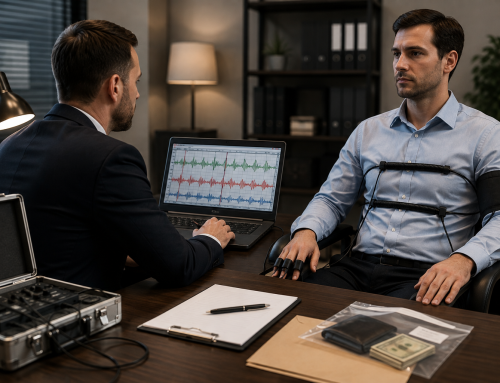
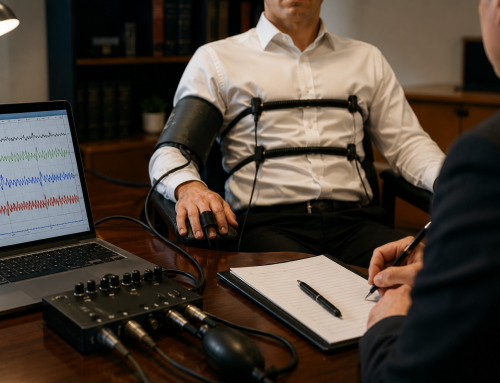
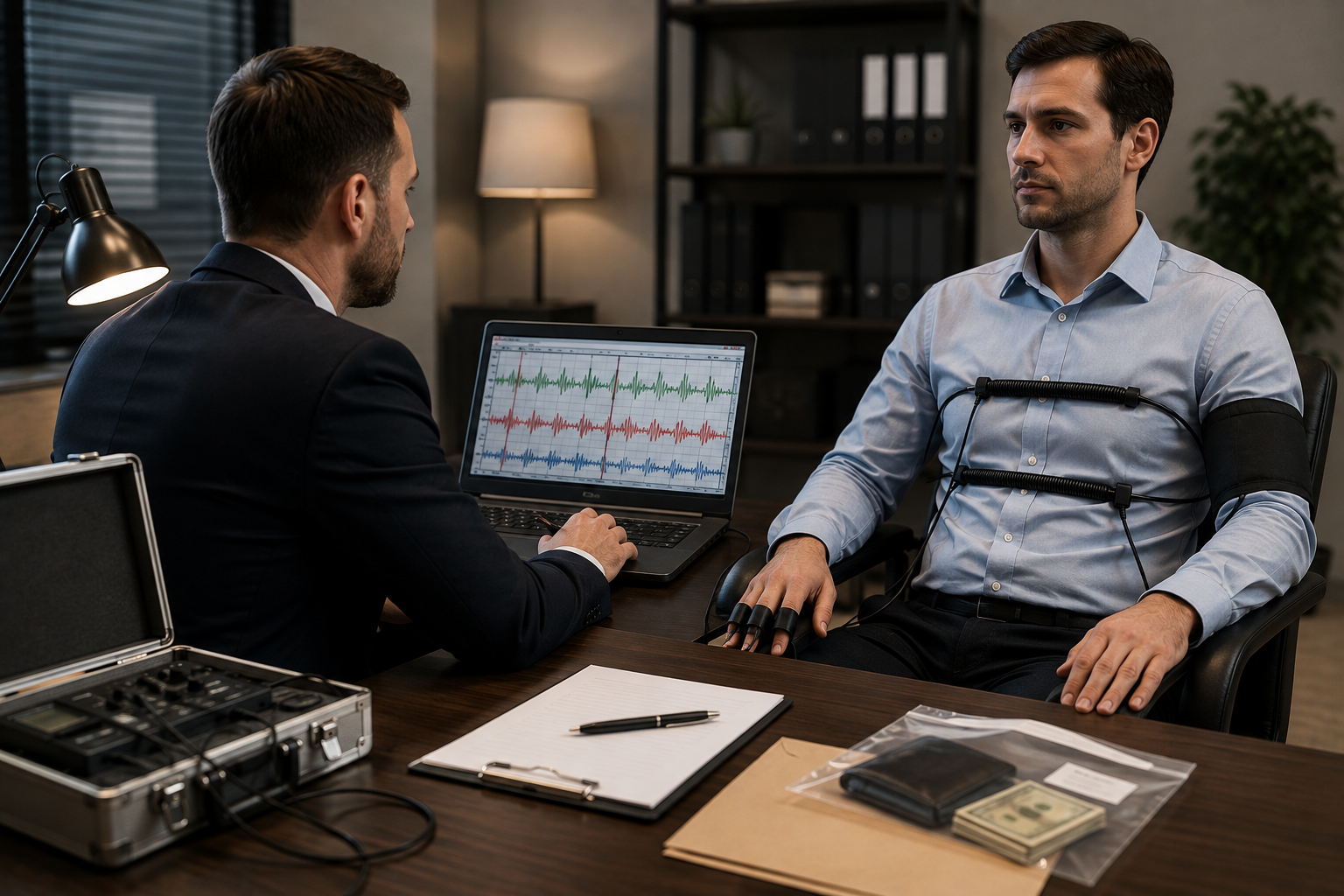
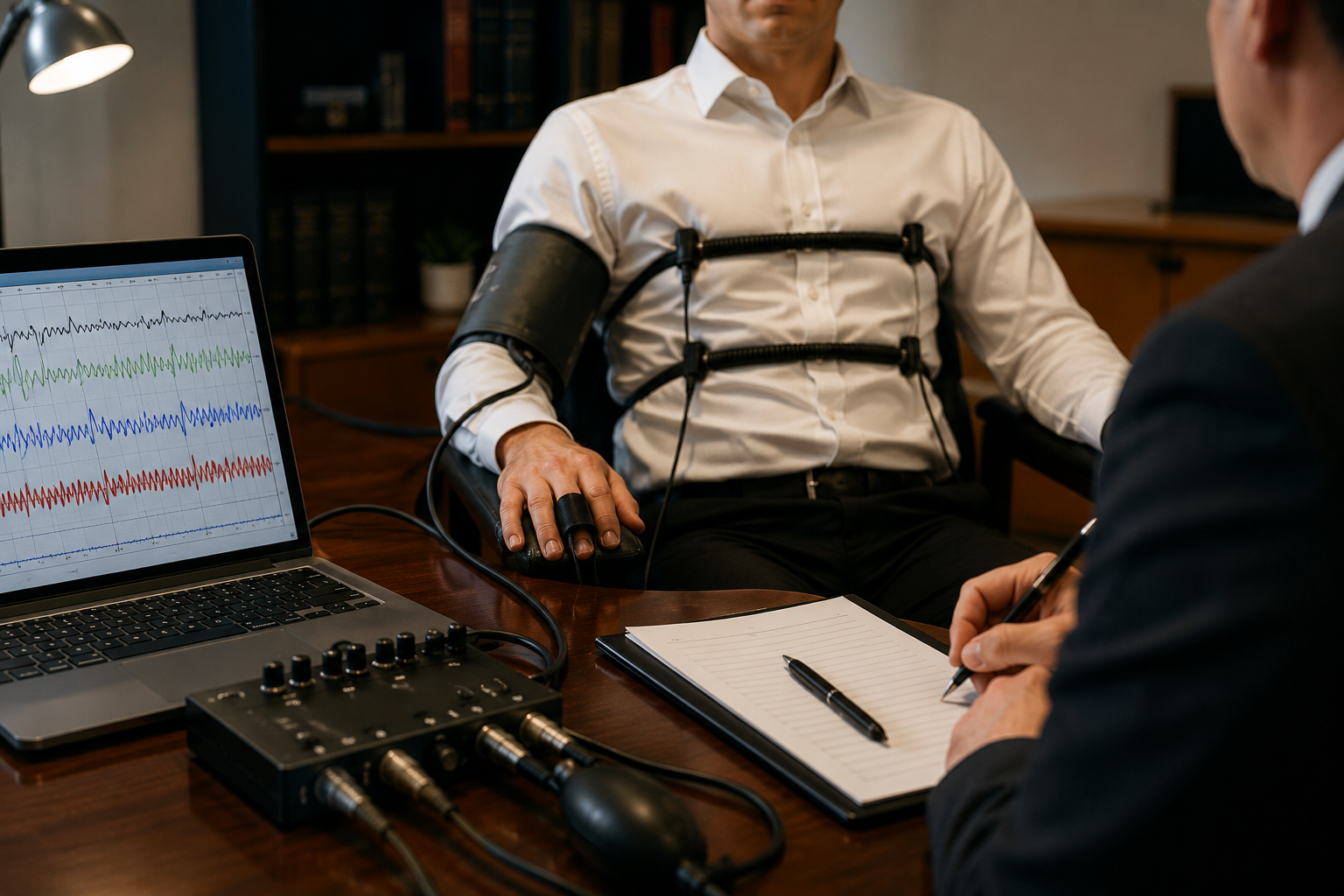
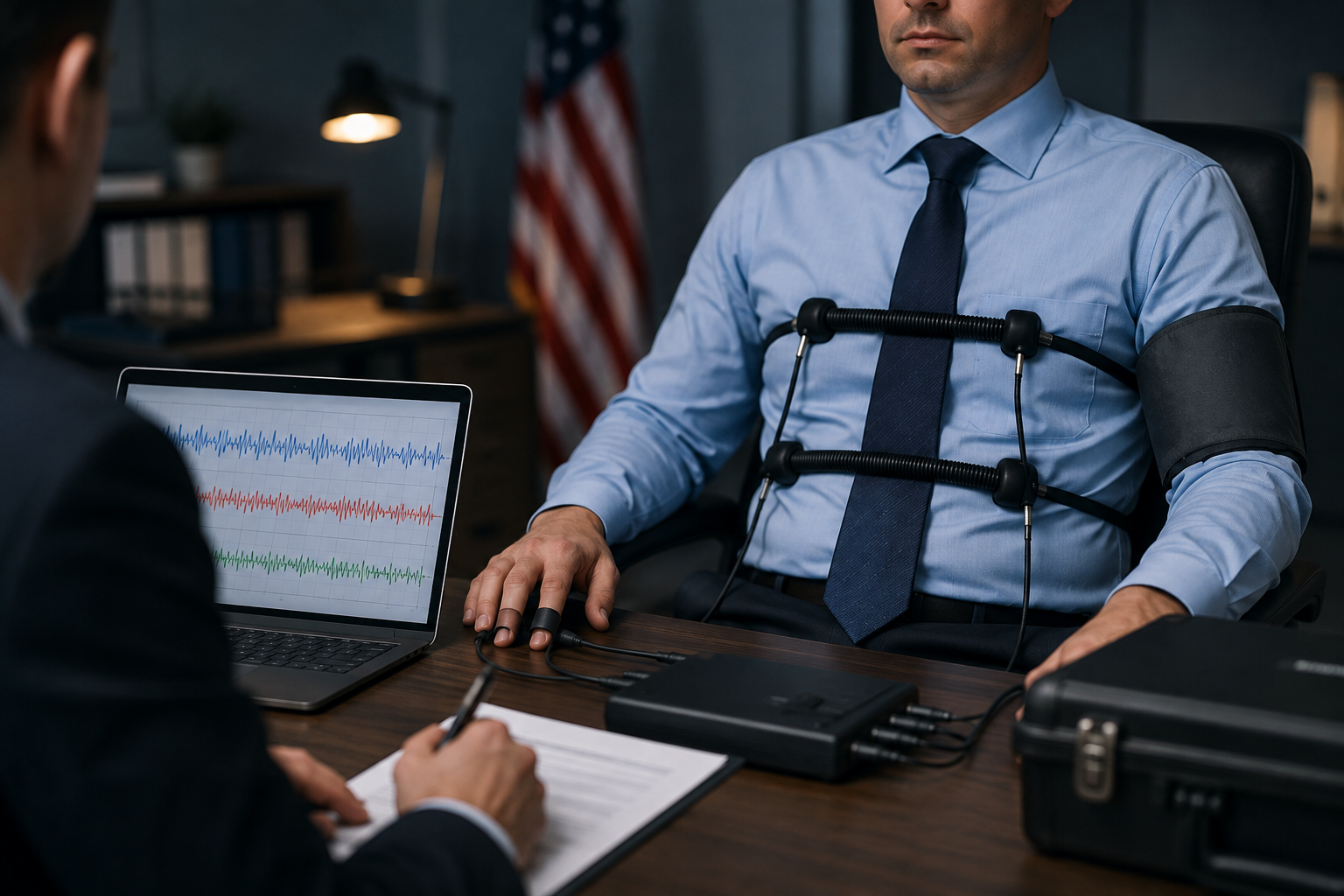
A polygraph—often called a lie detector—measures a person’s involuntary physiological responses when answering questions. These reactions include:
-
Heart rate
-
Blood pressure
-
Breathing patterns
-
Skin conductivity (sweat gland activity)
These changes are recorded and analyzed by a certified examiner to identify stress patterns associated with deception.
Why Physiological Responses Matter
When people knowingly lie, their body often exhibits measurable stress signals. Polygraph instruments detect and chart these signals in real time.
Modern polygraph systems use:
-
Advanced sensors
-
Digital scoring algorithms
-
Enhanced movement detection
-
Data-driven comparison techniques
This improves both reliability and examiner accuracy.
How Accurate Are Modern Polygraph Tests?
Today’s polygraph examinations—when conducted by a trained and accredited professional—achieve accuracy rates between 87% and 92%, according to global polygraph research standards.
Polygraph accuracy depends on:
-
Examiner training and certification
-
Use of validated testing formats
-
Quality of equipment
-
Proper pre-test and post-test procedures
It’s important to note that polygraph testing is not guesswork. It is a structured scientific evaluation based on observable psychophysiological responses.
What to Expect During a Polygraph Examination
A professional polygraph examination includes three key phases:
1. The Pre-Test Interview
The examiner explains the entire process and reviews all questions before the test begins.
This helps:
-
Reduce anxiety
-
Clarify misunderstandings
-
Ensure the subject knows exactly what will be asked
There are no surprise questions—everything is agreed upon beforehand.
2. The Data Collection Test (Polygraph Test)
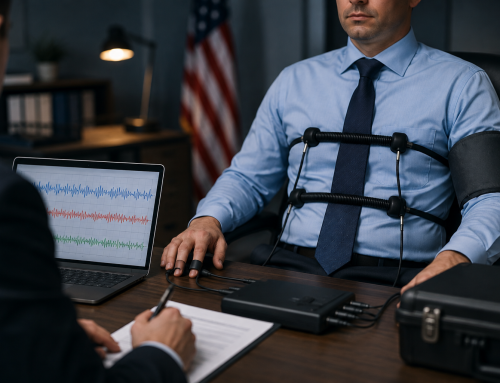
During the test, the examinee answers a series of yes/no questions while sensors monitor their physiological responses.
Testing normally lasts 15–25 minutes, depending on the complexity of the case.
3. The Post-Test Review
The examiner analyzes the charts and may conduct follow-up questioning if needed.
You can expect:
-
A preliminary result after the session
-
A written professional report afterward
-
Objective interpretation using validated scoring methods
Who Can Benefit from Modern Polygraph Testing?
Polygraph testing is widely used by:
✔ Employers
For workplace theft, fraud, or misconduct investigations.
✔ Attorneys & Legal Cases
When credibility is a crucial factor.
✔ Couples & Individuals
For infidelity concerns or truth verification.
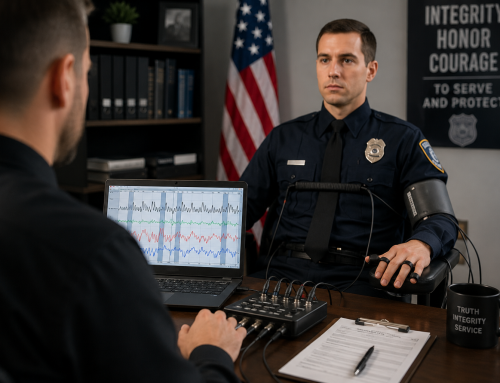
✔ Government & Law Enforcement
For screening and investigative purposes.
Whether personal or professional, modern polygraph examinations provide clarity and help uncover truthful information efficiently.
Ready to Schedule a Professional Polygraph Exam?
A certified polygraph examiner ensures accuracy, confidentiality, and a comfortable testing environment.
👉 Get the truth you need with expert Polygraph & Lie Detection Services.
Book your confidential examination today!