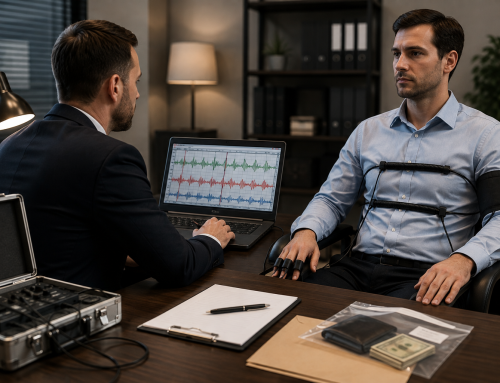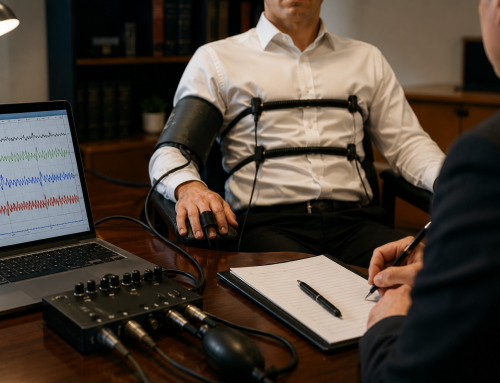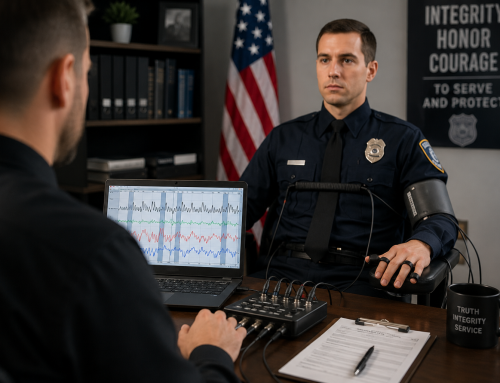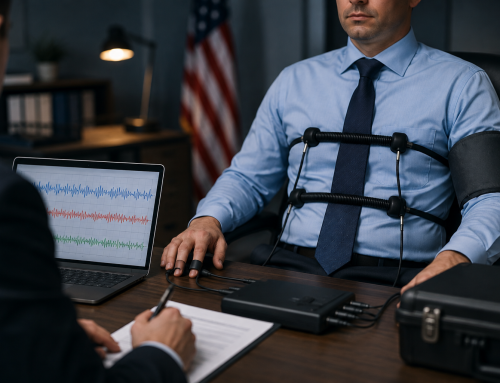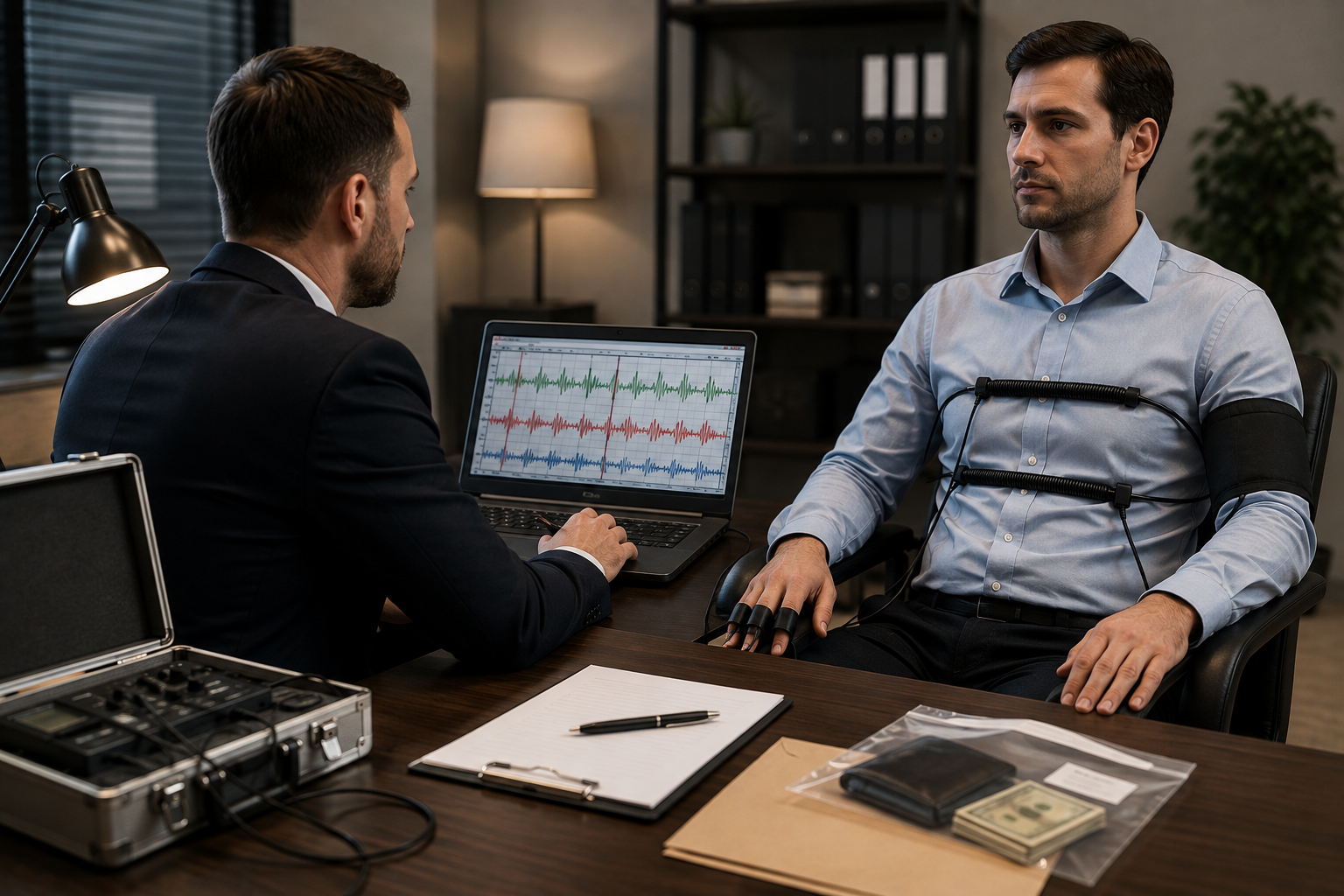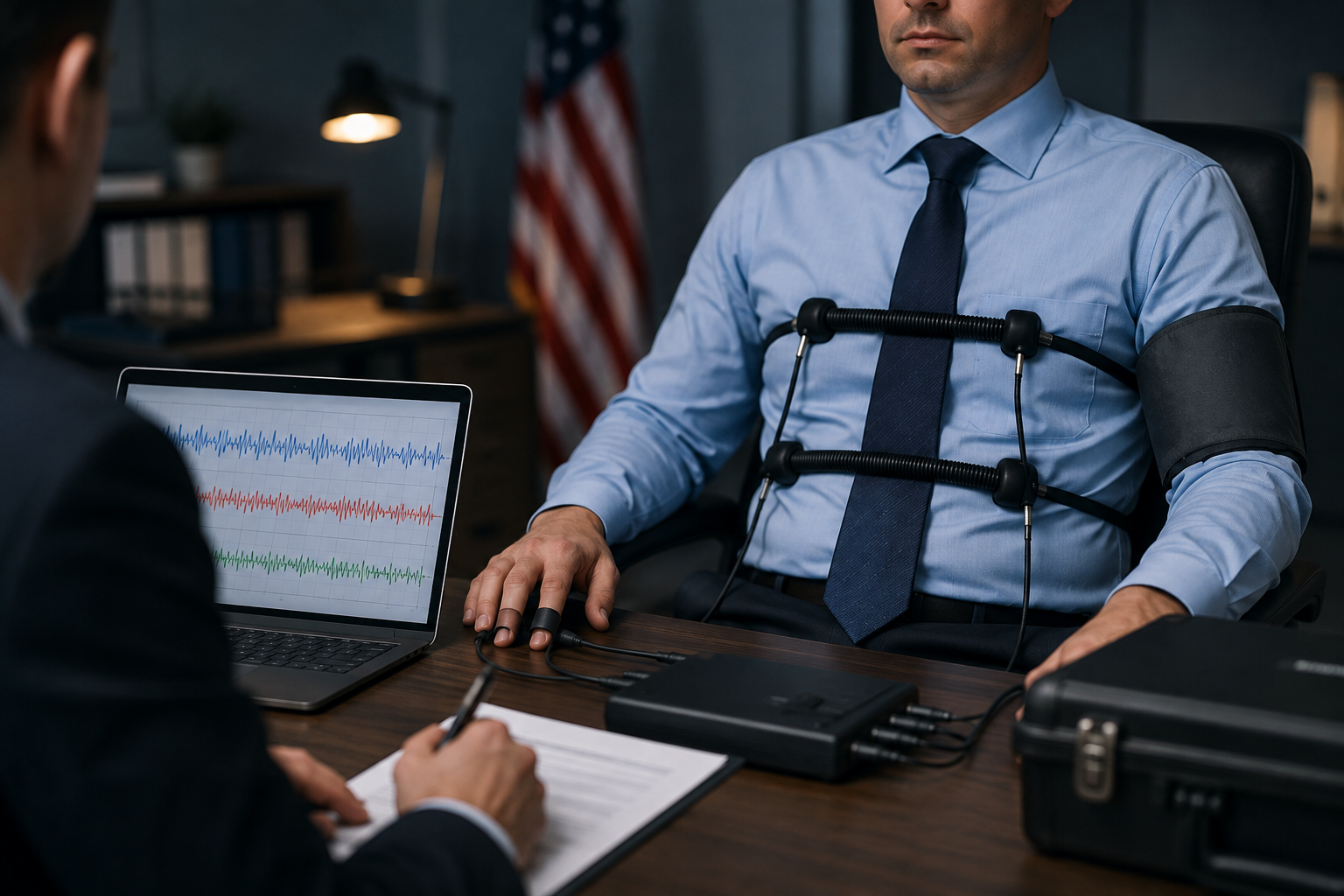

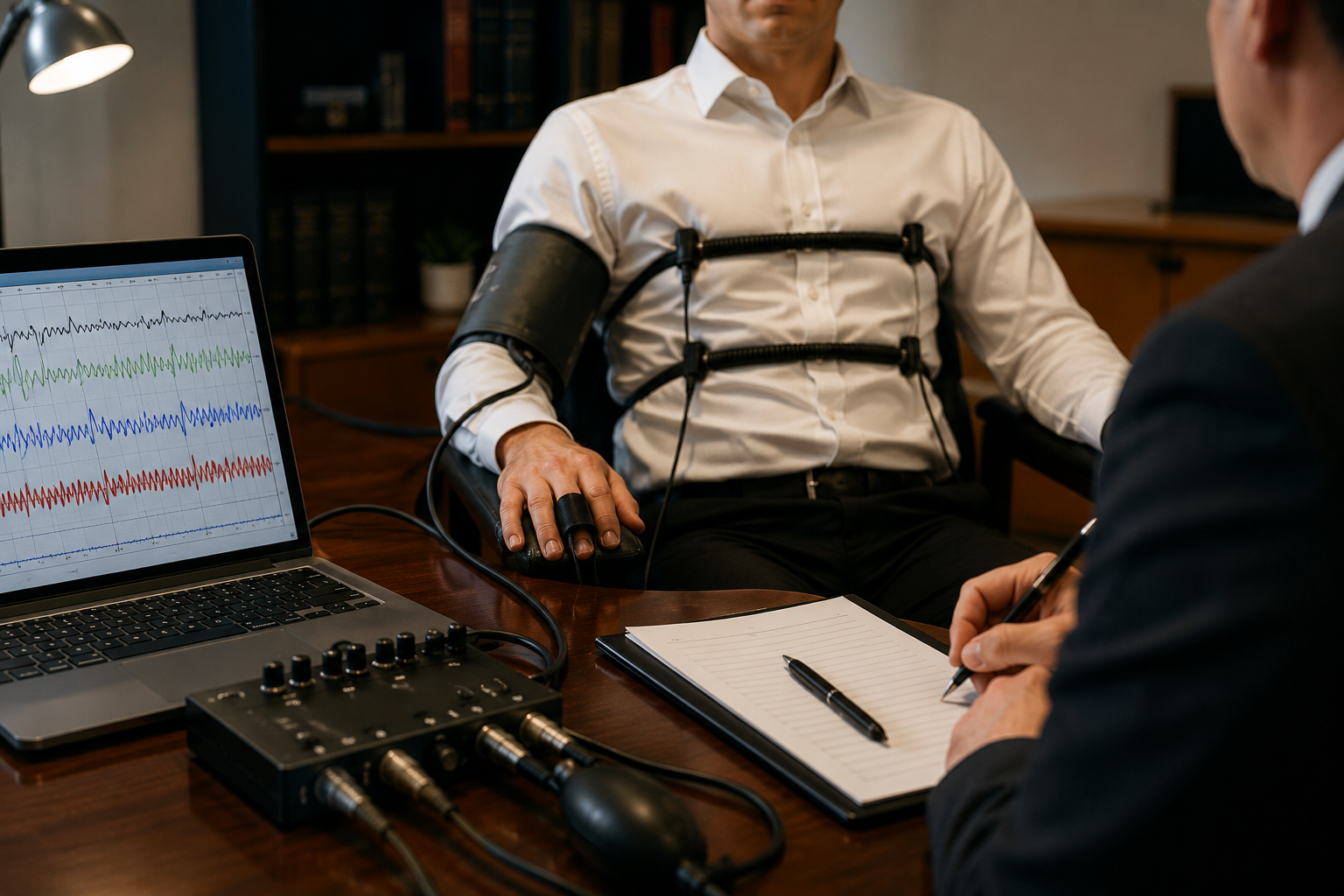
Military organizations, intelligence agencies, and defense contractors operate in environments where trust, confidentiality, and integrity are critical. Personnel often have access to classified information, strategic operations, and sensitive national security assets. To help ensure that only qualified and trustworthy individuals are granted these responsibilities, many organizations rely on military polygraph examinations as part of their security screening process.
Military polygraph testing serves as an important tool for evaluating honesty, identifying potential security risks, and supporting security clearance investigations. Whether used during hiring, background investigations, or ongoing personnel evaluations, these examinations help maintain the highest standards of national security.
What Is a Military Polygraph Examination?
A military polygraph examination is a specialized assessment designed to evaluate an individual’s truthfulness regarding matters that may affect military operations, classified information, or national security interests.
Unlike standard employment screenings, military polygraph examinations focus on issues related to security, integrity, and potential vulnerabilities that could compromise sensitive information or missions.
These examinations are commonly used by:
- Military branches
- Intelligence agencies
- Defense contractors
- Government security organizations
- Federal law enforcement agencies
The examination is conducted by a trained polygraph examiner who follows established procedures and professional standards throughout the process.
Why Military Organizations Use Polygraph Testing
Military personnel are often entrusted with responsibilities that require exceptional levels of honesty and reliability. Even minor security breaches can result in serious operational consequences.
Military polygraph testing helps organizations:
- Verify information provided by applicants
- Support security clearance investigations
- Identify potential security concerns
- Strengthen personnel screening programs
- Protect classified information
- Maintain operational integrity
By incorporating polygraph examinations into their screening procedures, organizations can make more informed decisions regarding personnel selection and security access.
Security Clearance Polygraph Examinations
One of the most common uses of military polygraph testing is during the security clearance process.
Security clearances allow individuals to access classified or sensitive information necessary for their duties. Before granting this access, agencies may require applicants to complete extensive background investigations and, in some cases, a security clearance polygraph examination.
The purpose of the examination is to evaluate information related to:
- Unauthorized disclosure of classified information
- Foreign contacts and influence
- Espionage concerns
- Criminal activity
- Security violations
- Drug involvement
- Personal conduct issues
A security clearance polygraph provides investigators with additional information that may help determine whether an applicant is suitable for positions involving national security responsibilities.
Military Background Investigation Polygraph Process
A military background investigation polygraph is often conducted as part of a broader vetting process.
Background investigations typically include:
- Employment verification
- Criminal history reviews
- Reference interviews
- Education verification
- Financial reviews
- Security record assessments
The polygraph examination serves as an additional verification tool that helps investigators evaluate the accuracy and completeness of information gathered during the investigation.
When discrepancies arise, the examination may provide opportunities for clarification and further review.
Polygraph Testing for Defense Contractors
Defense contractors frequently work alongside military and government agencies on highly sensitive projects.
Employees in these positions may have access to:
- Classified information
- Defense technologies
- Intelligence data
- Strategic communications
- National security programs
Because of the sensitive nature of these responsibilities, defense contractor polygraph testing is often used to support security screening requirements.
Organizations use these examinations to ensure that personnel meet the trust and reliability standards necessary for handling sensitive information.
Military Personnel Integrity Screening
Integrity is a fundamental requirement for military service and national security roles.
Military personnel integrity screening focuses on assessing honesty, accountability, and adherence to ethical standards. Polygraph examinations help organizations evaluate whether individuals have disclosed all relevant information during the application or investigation process.
Topics may include:
- Undisclosed criminal conduct
- Security concerns
- Misrepresentation of information
- Unauthorized disclosures
- Substance abuse issues
- Activities that could create security risks
By identifying potential concerns early, organizations can better protect personnel, missions, and national interests.
What to Expect During a Military Polygraph Exam
Understanding the examination process can help reduce anxiety and improve preparedness.
Pre-Test Interview
The examiner reviews the purpose of the examination, explains the procedures, and discusses the topics that will be covered.
Testing Phase
The examinee answers a series of structured questions while physiological responses are recorded for analysis.
Data Review
The examiner evaluates the collected data and identifies any significant reactions that may require additional review.
Post-Test Discussion
If necessary, the examiner may ask follow-up questions to clarify responses or address areas of concern.
The process is designed to be professional, objective, and consistent with established investigative standards.
Benefits of Military Security Screening
Military security screening programs that include polygraph examinations provide several advantages:
Enhanced National Security
Screening helps identify potential vulnerabilities before they can impact military operations or classified programs.
Improved Personnel Selection
Organizations gain additional information that supports hiring and assignment decisions.
Increased Trust and Accountability
Polygraph examinations reinforce the importance of honesty and integrity within military and defense environments.
Stronger Protection of Sensitive Information
Effective screening reduces the risk of unauthorized disclosures and security breaches.
Support for Ongoing Security Programs
Polygraph testing can complement existing security measures, background investigations, and clearance reviews.
Common Misconceptions About Military Polygraph Testing
Many people assume that polygraph examinations are designed solely to detect lies. In reality, they are one component of a broader security assessment process.
Polygraph examinations do not replace:
- Background investigations
- Security interviews
- Criminal history checks
- Employment verification
- Reference reviews
Instead, they provide additional information that helps investigators evaluate potential risks and make informed decisions.
Military polygraph examinations remain an important tool for protecting national security, supporting security clearance investigations, and maintaining the integrity of military and defense organizations. Whether used for military personnel, intelligence professionals, or defense contractors, these examinations help identify potential security concerns while reinforcing standards of honesty and accountability.
As part of a comprehensive screening program, military polygraph testing plays a vital role in safeguarding classified information, supporting personnel decisions, and ensuring that individuals entrusted with sensitive responsibilities meet the highest standards of integrity and reliability.