
Hiring the right employees is essential to protect a company’s reputation, maintain workplace security, and build a trustworthy workforce. While traditional hiring methods such as interviews, background checks, and reference verification provide valuable information, certain organizations may consider **pre-employment polygraph testing** as an additional screening measure.
For employers operating in industries where security, confidentiality, and integrity are critical, understanding how polygraph examinations work—and when they are legally permitted—is an important part of responsible hiring.
What Is Pre-Employment Polygraph Testing?
Pre-employment polygraph testing is a structured examination used to evaluate an applicant’s responses to questions related to honesty, professional conduct, and potential security concerns.
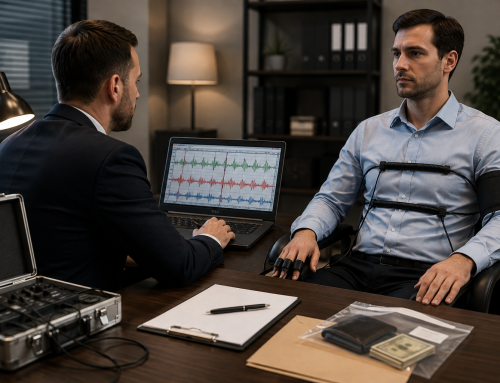
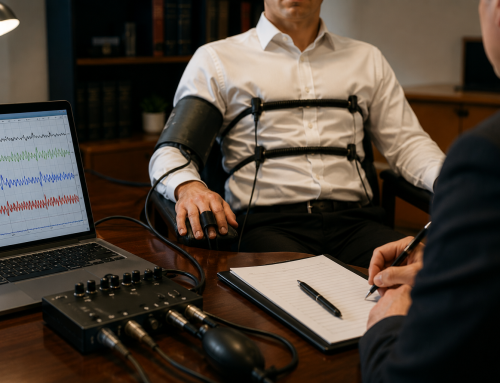
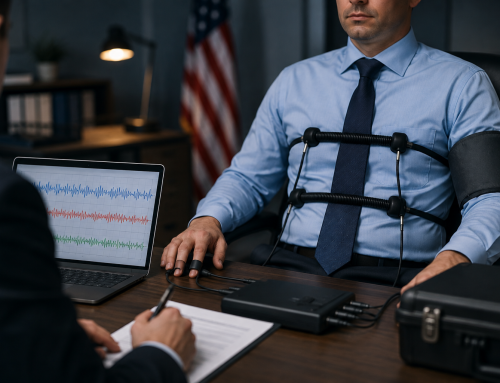
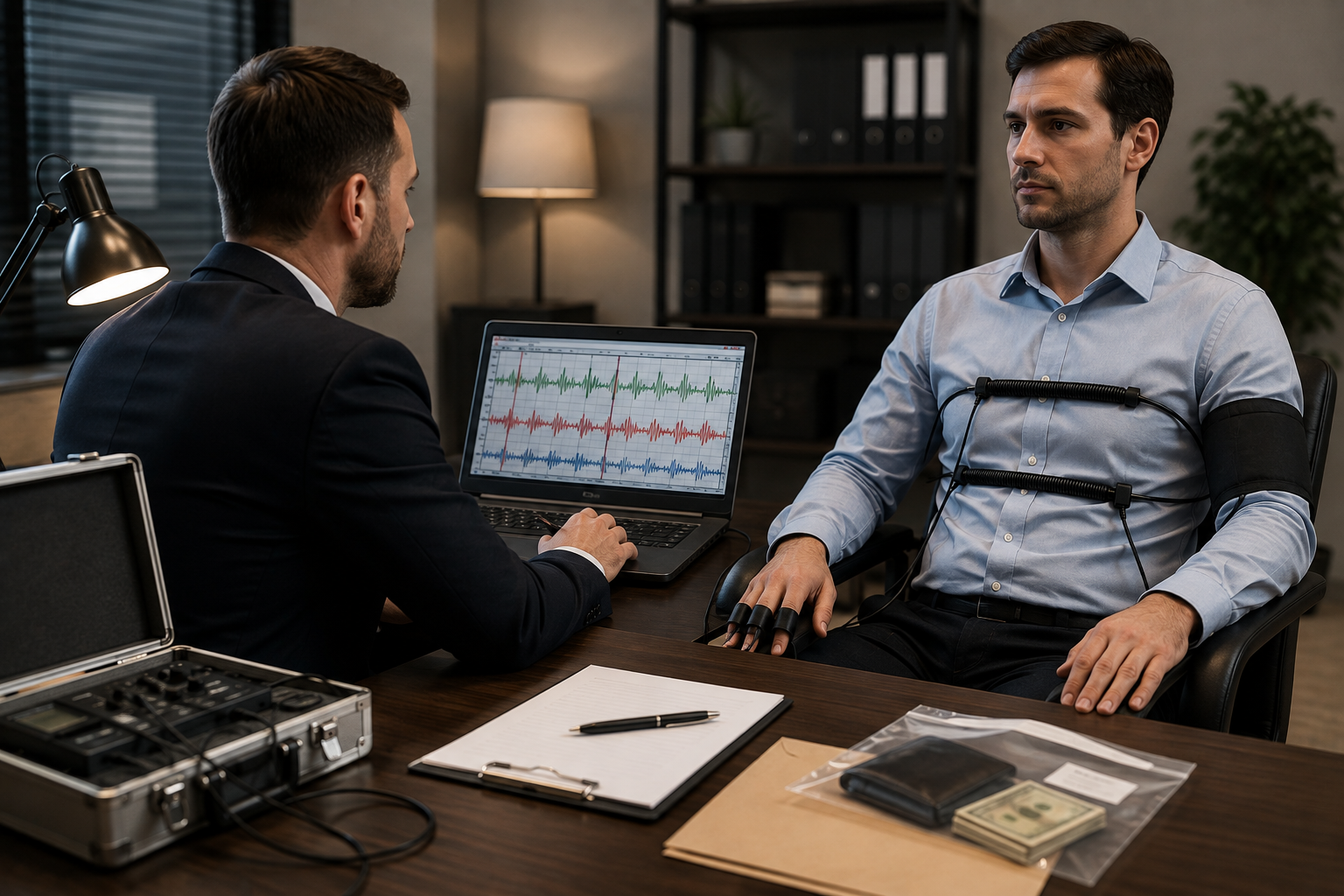
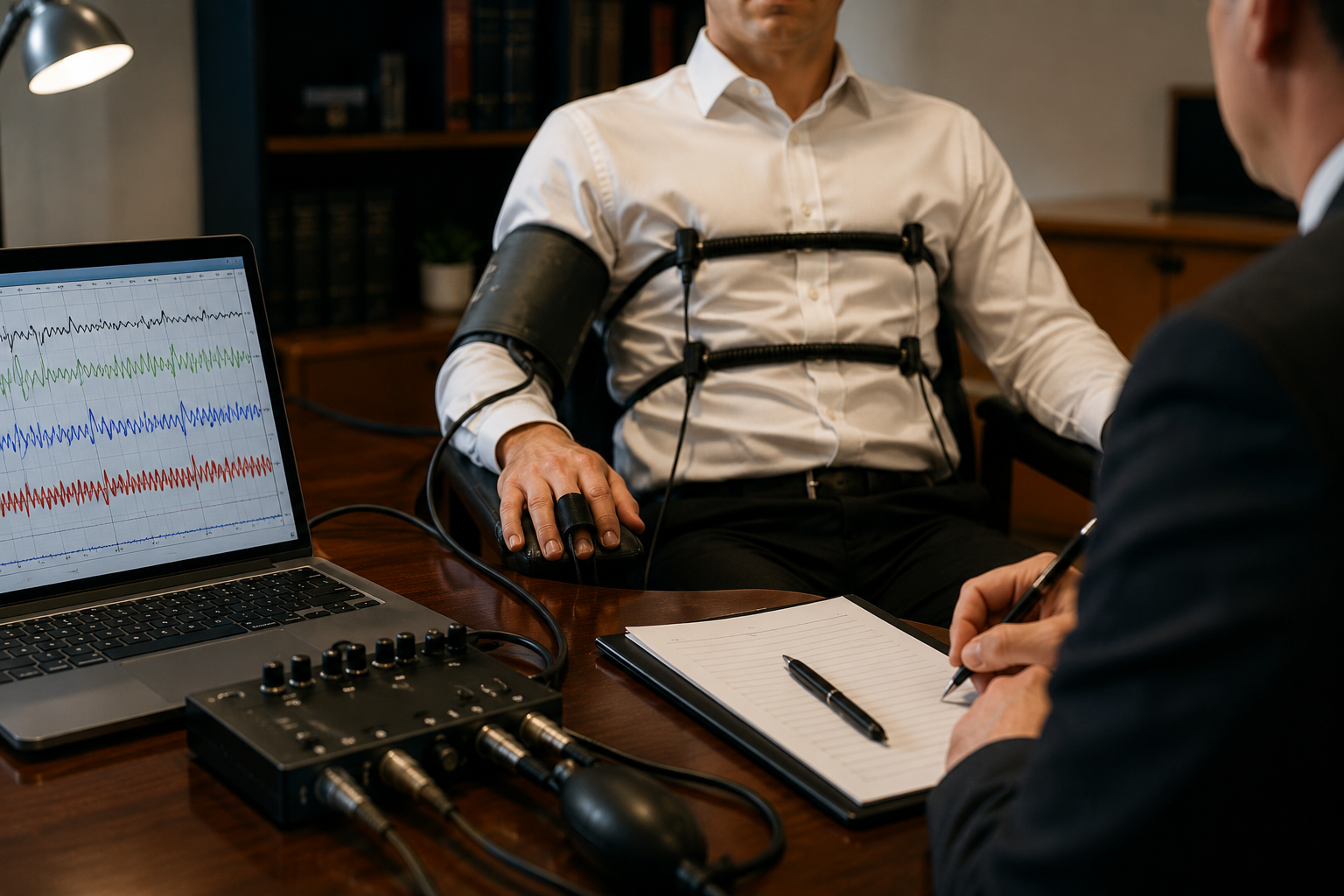
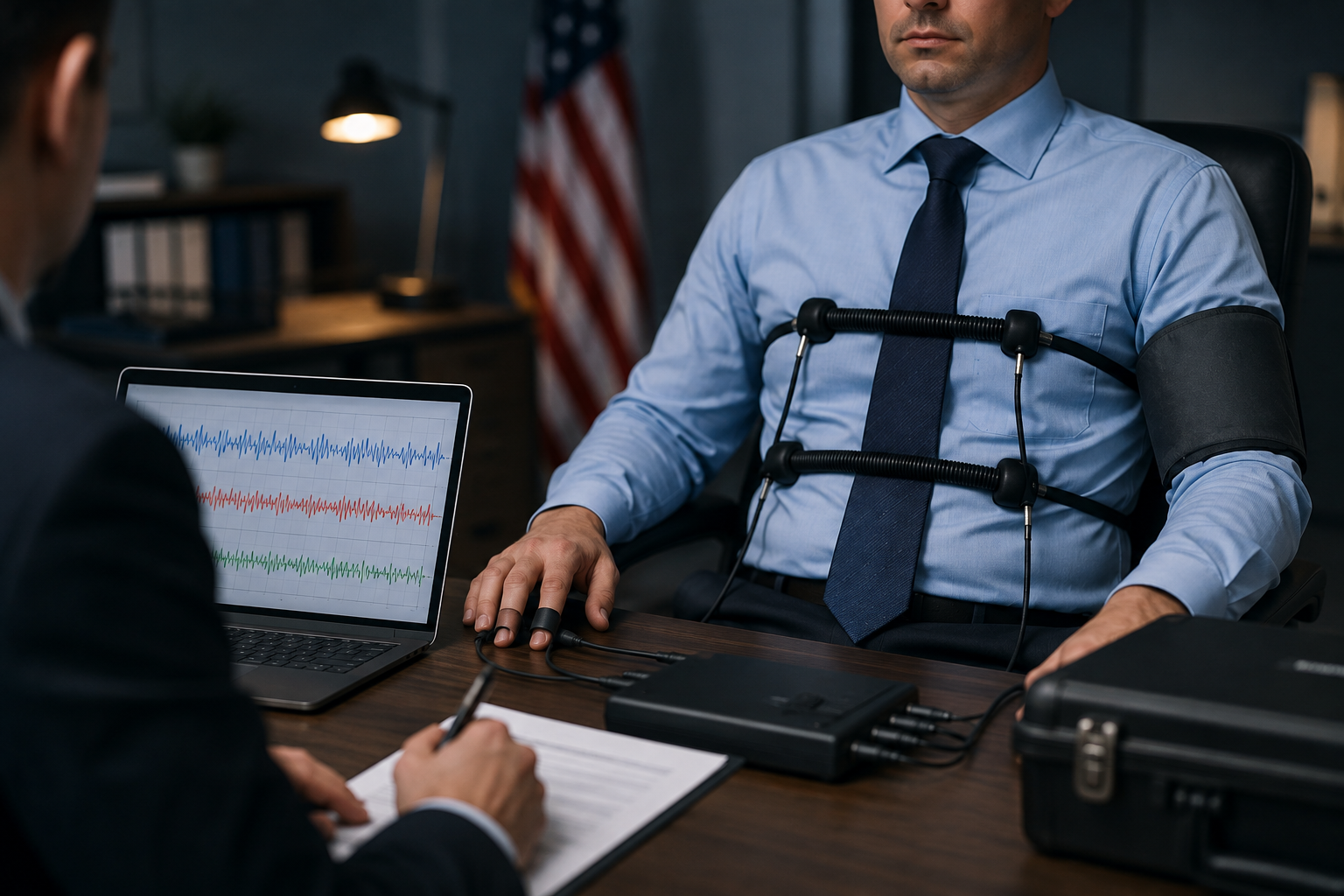
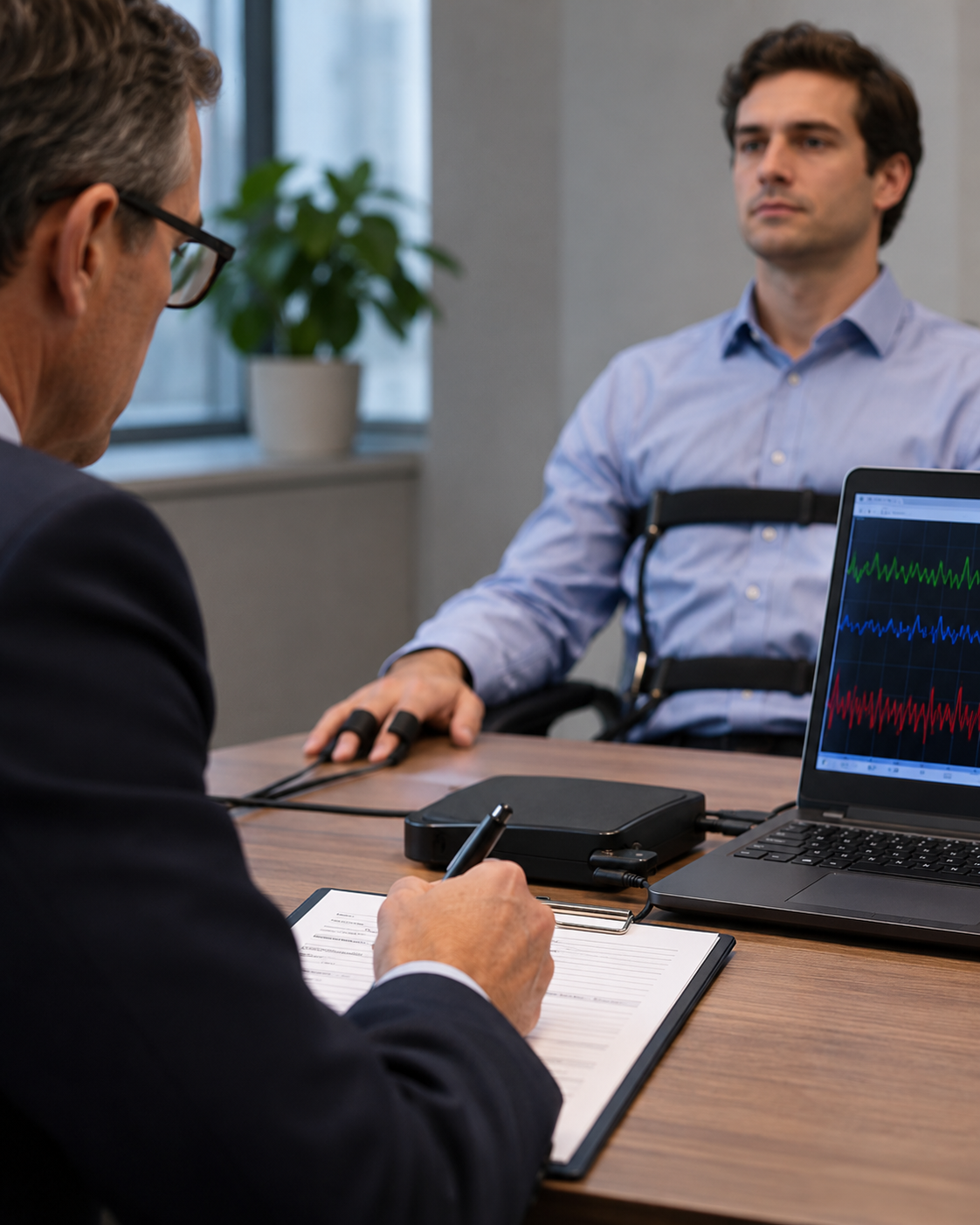
During the examination, a qualified polygraph examiner records physiological responses, including breathing patterns, cardiovascular activity, and skin conductivity, while the applicant answers predetermined questions.
These physiological measurements do not directly establish whether someone is lying. Instead, they provide information that a trained examiner interprets within an established testing procedure.
When legally authorized, polygraph screening may complement other hiring practices, including background investigations, employment history verification, and professional interviews.
Why Do Employers Consider Pre-Employment Polygraph Testing?
Organizations operating in sensitive industries often face additional responsibilities when selecting employees. Hiring individuals who handle confidential information, valuable assets, or security-related duties requires careful evaluation.
1. Supporting Workplace Security
For eligible employers, pre-employment polygraph examinations may provide additional information during the screening process for security-sensitive positions.
This can be particularly relevant for organizations that protect facilities, handle valuable property, or maintain public safety.
2. Evaluating Applicant Integrity
Professional integrity is an important consideration when hiring employees for positions involving significant responsibility.
Where permitted by law, polygraph examinations may explore specific, job-related issues that are relevant to an applicant’s suitability for a sensitive role.
However, examination findings should never be treated as definitive proof of honesty or dishonesty.
3. Complementing Existing Hiring Procedures
A comprehensive hiring process typically includes multiple evaluation methods.
For organizations legally authorized to conduct polygraph examinations, testing may serve as one component of a broader screening program rather than replacing traditional hiring procedures.
4. Supporting Risk Management
Businesses operating in high-security environments must consider potential risks involving confidential information, company property, and operational responsibilities.
A legally compliant screening process can help organizations gather relevant information while maintaining appropriate protections for applicants.
Is Pre-Employment Polygraph Testing Legal?
Before scheduling an examination, employers must understand the legal requirements governing workplace polygraph testing.
In the United States, the **Employee Polygraph Protection Act (EPPA)** generally prohibits most private employers from requiring or requesting lie detector tests during pre-employment screening or employment.
However, certain exceptions exist.
Under specific conditions, pre-employment polygraph testing may be permitted for certain applicants to:
Security service companies, including qualifying armored car, alarm, and guard businesses.
Pharmaceutical manufacturers, distributors, and dispensers covered by applicable exemptions.
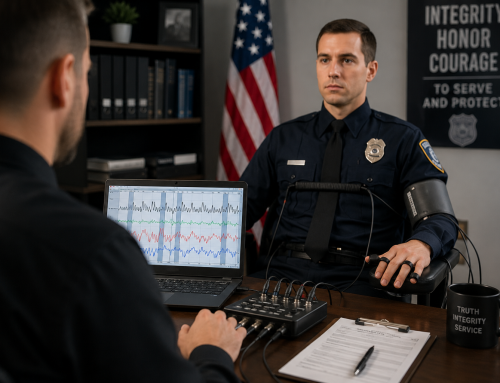
Certain government and law enforcement positions, which are not subject to the EPPA’s general private-employer prohibition.
These exceptions are subject to legal requirements, and additional state or local restrictions may apply.
Employers should confirm their eligibility and consult qualified legal counsel before requesting any employment-related polygraph examination.
How Does the Pre-Employment Polygraph Process Work?
When legally permitted, professional polygraph examinations generally follow three primary stages.
1. Pre-Test Interview
The examiner begins by explaining the examination process, reviewing the relevant questions, and informing the applicant of applicable rights.
This stage allows the applicant to understand the procedure and address questions before testing begins.
2. Polygraph Examination
During the examination, the applicant answers previously reviewed questions while specialized equipment records physiological activity.
The examiner evaluates the recorded information using established examination procedures.
The examination must comply with applicable legal and professional standards.
3. Post-Test Review
Following the examination, the examiner reviews the recorded information and may discuss relevant responses with the applicant.
Where disclosure is legally authorized, the findings are communicated to the requesting organization.
Results should be interpreted carefully and considered alongside other relevant information rather than used as the sole basis for an employment decision.
What Should Employers Look for in a Professional Polygraph Examiner?
Choosing a qualified examiner is essential for organizations considering legally permitted polygraph testing.
Employers should evaluate several factors before selecting a provider:
- Professional experience: A history of conducting employment-related and security-sensitive examinations.
- Licensing and qualifications: Appropriate credentials and compliance with applicable state requirements.
- Confidentiality: Established procedures for protecting applicant information and examination findings.
- Legal compliance: Familiarity with the EPPA and other relevant employment regulations.
Professional examination procedures:** Consistent methods for conducting interviews, administering examinations, and reviewing results.
Working with an experienced professional helps organizations understand the examination process and the limitations of polygraph testing.
Why Choose L.S. Fulmer, Inc. for Professional Polygraph Services?
At L.S. Fulmer, Inc., we understand the importance of professionalism, confidentiality, and careful evaluation when conducting polygraph examinations.
With over 40 years of experience, our agency provides professional polygraph services for businesses, law enforcement agencies, attorneys, and individuals across the United States.
Our services include pre-employment polygraph examinations for eligible organizations, security-related testing, and other specialized examinations.
We are committed to maintaining professional standards while helping clients understand the examination process and applicable requirements.
Whether your organization operates in the security industry or another qualifying field, our experienced team can help you explore the appropriate next steps.
Frequently Asked Questions About Pre-Employment Polygraph Testing
Can every employer require a polygraph test before hiring?
No. The Employee Polygraph Protection Act generally prohibits most private employers from requiring or requesting pre-employment polygraph examinations. Limited exceptions exist for certain employers and positions.
How accurate are pre-employment polygraph examinations?
Polygraph accuracy varies depending on the examination method, circumstances, and other factors. Polygraph tests measure physiological responses rather than deception directly, and results can include errors. They should not be considered conclusive evidence of dishonesty.
Are polygraph examination results confidential?
Where the EPPA applies, strict restrictions govern the disclosure of examination information. Professional examiners must also follow applicable privacy and confidentiality requirements.
Can polygraph testing replace background checks?
No. Polygraph examinations should not replace background investigations, employment verification, interviews, or other established hiring procedures.
How can employers determine whether they qualify for testing?
Employers should review applicable federal and state regulations and obtain legal guidance before arranging an examination. A professional polygraph provider can explain available services and examination procedures.
Contact L.S. Fulmer, Inc. for Professional Pre-Employment Polygraph Services
Protecting your organization begins with informed hiring decisions and responsible screening practices.
At L.S. Fulmer, Inc., we provide professional polygraph examination services backed by decades of experience. Our team works with eligible organizations seeking confidential, professionally administered examinations.
Contact L.S. Fulmer, Inc. today** to learn more about our pre-employment polygraph services and discuss whether an examination may be appropriate for your organization.