
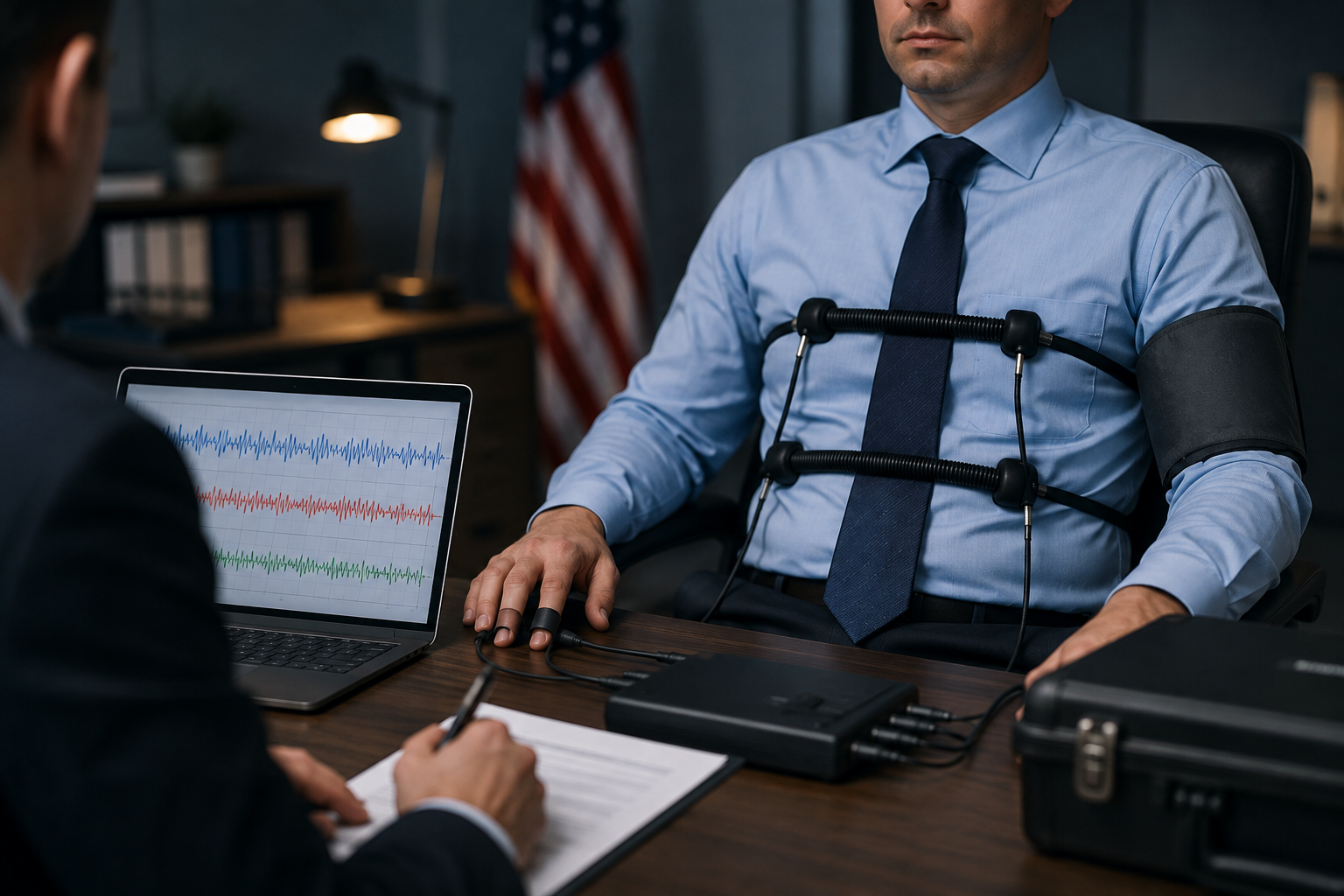
Obtaining a security clearance for certain government, intelligence, defense, or national security positions can involve several stages of background screening. In some cases, applicants may also be required to complete a security clearance polygraph as part of the evaluation process.
A polygraph examination does not replace a background investigation. Instead, it may be used as an additional screening tool to review specific areas related to national security, honesty, and eligibility for access to sensitive information.
For applicants preparing for a counterintelligence polygraph test or another type of government polygraph examination, understanding what the process involves can make the experience less confusing and help them approach the examination professionally.
What Is a Security Clearance Polygraph?
A security clearance polygraph is a polygraph examination that may be required for certain government positions or assignments involving access to classified or highly sensitive information.
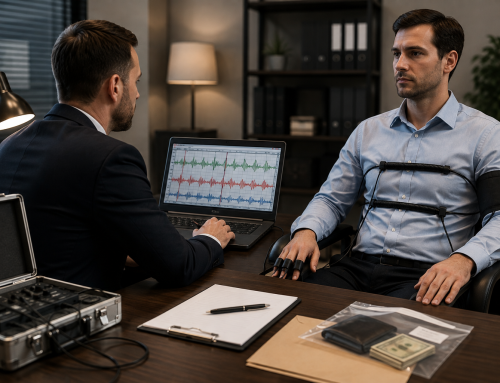
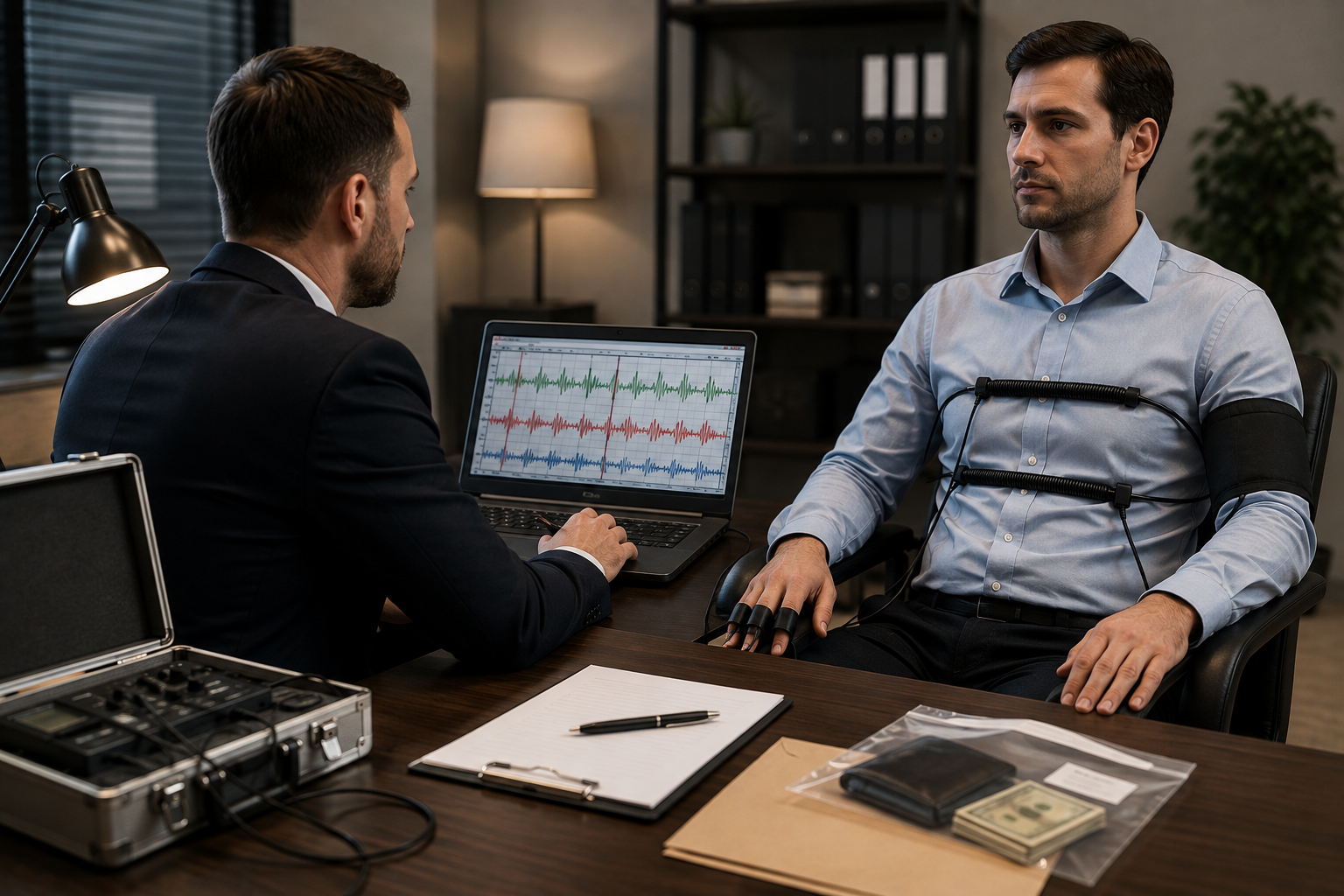
During the examination, a trained polygraph examiner asks a structured series of questions while specialized equipment records physiological responses. The examination is generally used as one part of a larger security screening process that can also include:
- Background investigations
- Employment history reviews
- Criminal record checks
- Financial history reviews
- Interviews with references
- Security questionnaires
- Verification of personal and professional information
The exact screening requirements depend on the agency, position, and level of access being considered.
What Is a Counterintelligence Polygraph Test?
A counterintelligence polygraph test focuses primarily on security-related concerns that could affect an individual’s suitability for access to sensitive government information.
Depending on the agency and examination requirements, the test may address topics related to national security, unauthorized disclosure of classified information, foreign contacts, espionage-related concerns, or other matters relevant to the applicant’s responsibilities.
The purpose is not simply to determine whether an applicant appears nervous. Polygraph examinations are conducted through a structured process that includes a detailed pre-test interview, review of the questions, the examination itself, and often a post-test discussion.
What Happens During a Government Polygraph Examination?
A government polygraph examination generally consists of several stages.
Pre-Test Interview
Before the examination begins, the examiner normally explains the process, reviews relevant background information, and discusses the questions that may be asked.
This part of the process gives applicants an opportunity to understand the examination and clarify anything that may be unclear.
Review of Questions
Polygraph questions are typically reviewed before the actual testing begins.
Applicants should know what the questions mean before the examination takes place. This helps reduce confusion and ensures that both the examiner and the applicant understand the subject being discussed.
Polygraph Testing
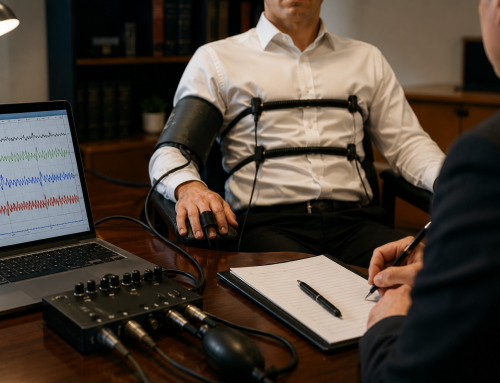
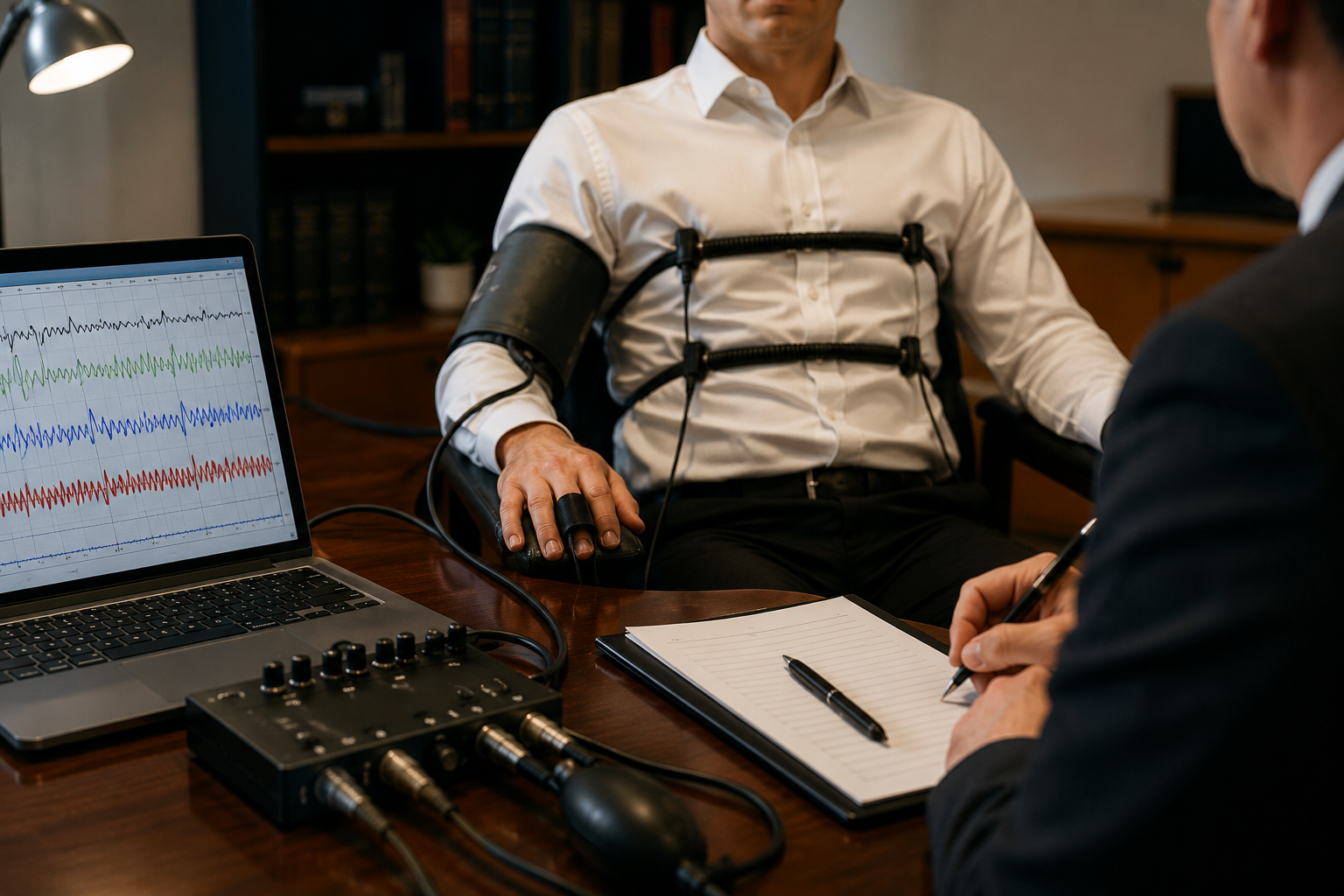
During the examination, sensors are used to record physiological responses while the examiner asks a structured set of questions.
The questions are usually presented in a controlled and consistent manner.
Post-Test Discussion
After testing, the examiner may discuss the results or review any responses that require additional clarification.
In some situations, further explanation or additional examination may be requested.
Why Do Government Agencies Use Polygraph Examinations?
Government agencies that handle classified information must carefully evaluate whether individuals can be trusted with sensitive national security responsibilities.
A polygraph may be used as part of this broader process to examine areas that could present security concerns.
It may help agencies evaluate information related to:
- National security risks
- Unauthorized handling of classified information
- Foreign influence or foreign contacts
- Serious discrepancies in an applicant’s background
- Other security-related concerns relevant to the position
However, a polygraph examination should be understood as one component of the overall clearance process rather than the only factor determining eligibility.
How Should Applicants Prepare for a Security Clearance Polygraph?
Applicants should focus on being prepared to discuss their background accurately and clearly.
One of the most important steps is reviewing previously submitted security forms and personal information before the examination. Applicants should be familiar with the information they provided during the clearance process so they can identify and explain any errors or inconsistencies.
Applicants should also:
- Follow all instructions provided by the agency or examiner.
- Bring any required identification or documentation.
- Arrive at the scheduled location on time.
- Listen carefully during the pre-test interview.
- Ask for clarification when a question is unclear.
- Provide accurate and complete information.
Trying to predict every possible question is generally less useful than understanding the information already submitted during the security clearance investigation.
Why Consistency Matters
Security clearance investigations often involve several sources of information.
An applicant’s statements during a polygraph examination may be considered alongside security questionnaires, employment records, interviews, financial information, and other investigative materials.
For that reason, significant inconsistencies can lead to additional questions.
An inconsistency does not always mean that an applicant intentionally provided false information. People can misunderstand questions, forget dates, or make mistakes when completing lengthy forms.
When applicants recognize an error, they should be prepared to explain it clearly rather than attempting to hide or ignore it.
Can Nervousness Cause Someone to Fail a Polygraph?
Feeling nervous before a security clearance polygraph is common. Applicants understand that the examination may influence an important employment or clearance decision.
Polygraph examiners are accustomed to working with nervous individuals, and the testing process is designed to evaluate responses within a structured examination rather than treating general anxiety alone as proof of deception.
Applicants should therefore focus on understanding the questions and providing straightforward answers instead of worrying excessively about whether normal nervousness will automatically produce a negative result.
How Long Does a Security Clearance Polygraph Take?
The length of a government polygraph examination can vary depending on the type of examination, agency procedures, and whether additional clarification is required.
The process can take considerably longer than the period during which the applicant is actually connected to the polygraph equipment because the pre-test interview and question review are important parts of the examination.
Applicants should plan accordingly and avoid scheduling important commitments immediately afterward whenever possible.
What Happens If Additional Questions Are Needed?
Sometimes an examiner may need additional information about a response or background issue.
This does not necessarily mean that a final decision has already been made.
The examiner may ask follow-up questions, conduct additional testing, or request clarification. The security clearance process may also continue through other investigative channels before a final determination is reached.
Is a Security Clearance Polygraph the Same as a Private Polygraph?
Not exactly.
A government security examination is conducted according to the requirements and procedures of the government agency involved.
Private polygraph examinations may instead be used for matters such as workplace investigations, legal cases, relationship disputes, or other specific issues.
Although both may involve similar polygraph technology and examination principles, the purpose, scope, and administrative procedures can be very different.
The Importance of Professional Polygraph Procedures
Whether a polygraph is conducted for government, legal, employment, or investigative purposes, professional procedures are essential.
A properly conducted examination should include:
- A clear explanation of the process
- Review of the examination questions
- Appropriate testing procedures
- Professional documentation
- Confidential handling of relevant information
- An experienced and qualified examiner
Following recognized examination procedures helps ensure that the results are evaluated within the proper context.
Frequently Asked Questions
What is a security clearance polygraph?
A security clearance polygraph is an examination that may be required for certain government or national security positions as part of a broader background and security investigation.
What is a counterintelligence polygraph test?
A counterintelligence polygraph test focuses on national security issues such as unauthorized disclosure of classified information, foreign influence, espionage-related concerns, and other matters relevant to government security responsibilities.
Does every security clearance require a polygraph?
No. Polygraph requirements depend on the government agency, position, duties, and type of security access being requested.
Should applicants memorize answers before the examination?
Applicants should instead review their background information and previously submitted forms so they can answer questions accurately and clarify any discrepancies.
Is being nervous during the examination normal?
Yes. Nervousness is common during important examinations, and trained polygraph examiners expect applicants to experience some level of anxiety.
Final Thoughts
A security clearance polygraph can be an important part of the screening process for certain government and national security positions. Applicants preparing for a counterintelligence polygraph test should understand that the examination is only one part of a larger investigation designed to evaluate eligibility for access to sensitive information.
Knowing what to expect from a government polygraph examination, reviewing previously submitted information, understanding the questions, and communicating clearly with the examiner can help applicants approach the process with greater confidence and preparation.
For individuals or organizations seeking professional polygraph services outside of the government clearance process, working with an experienced examiner can help ensure that examinations are conducted using structured and professional procedures.