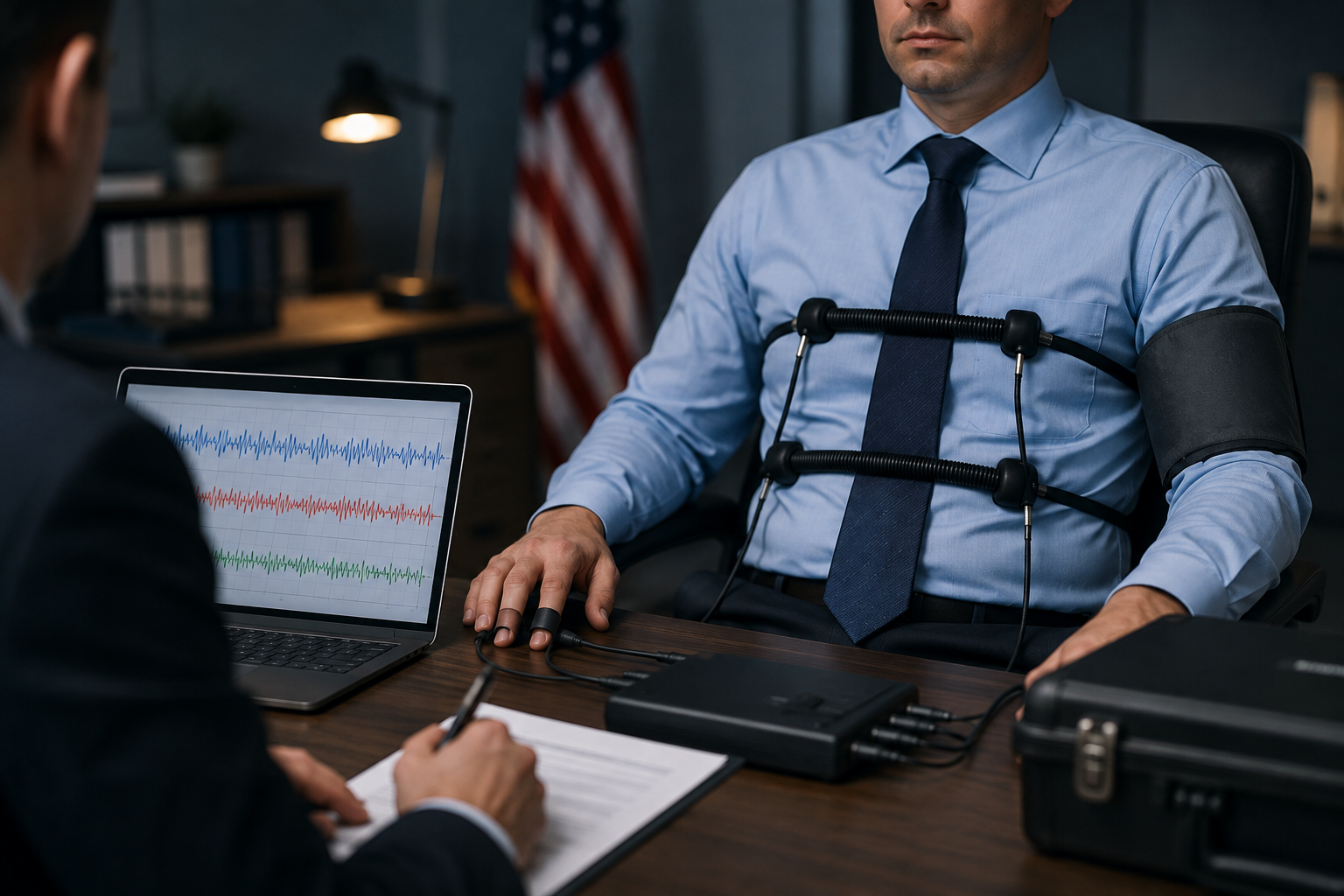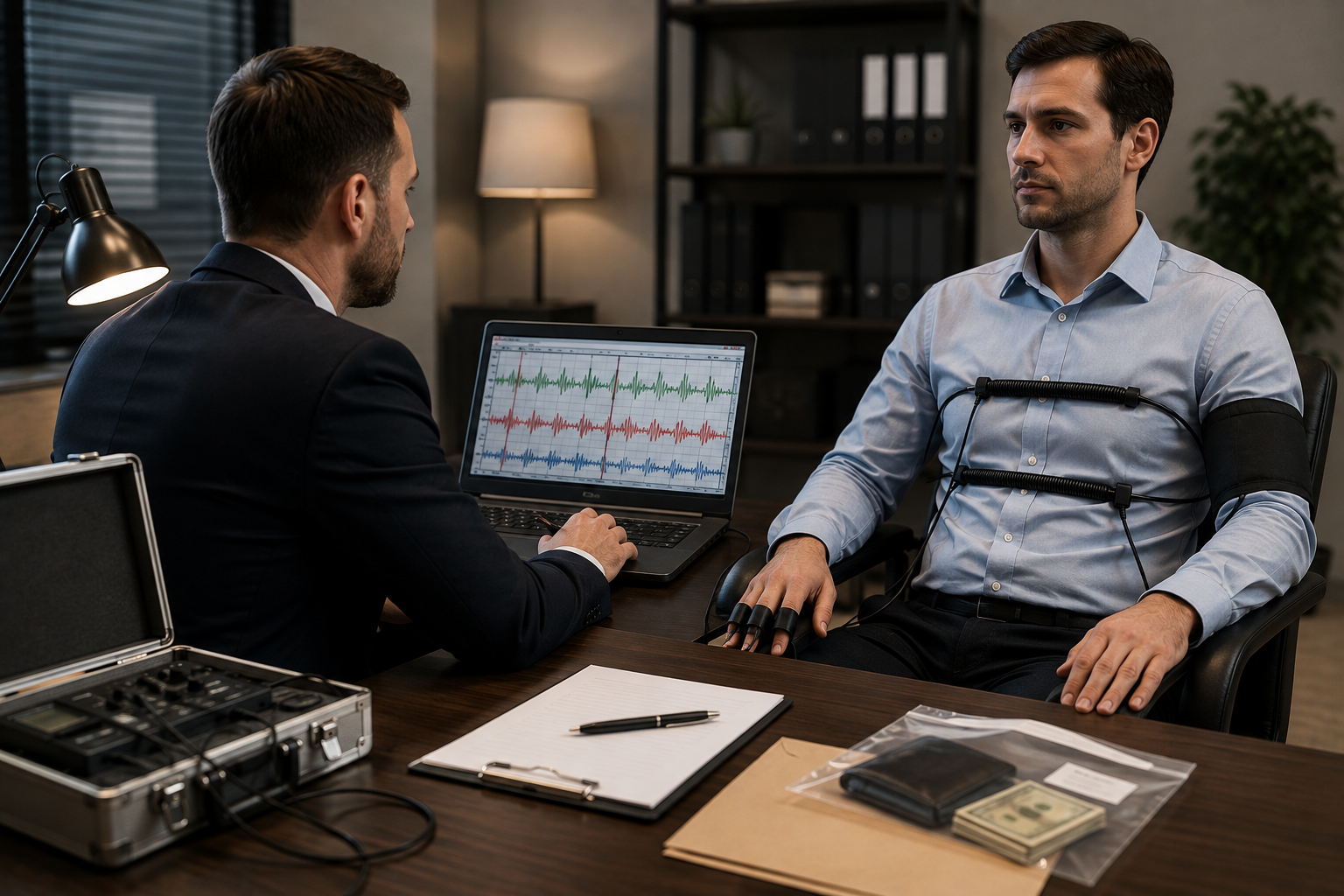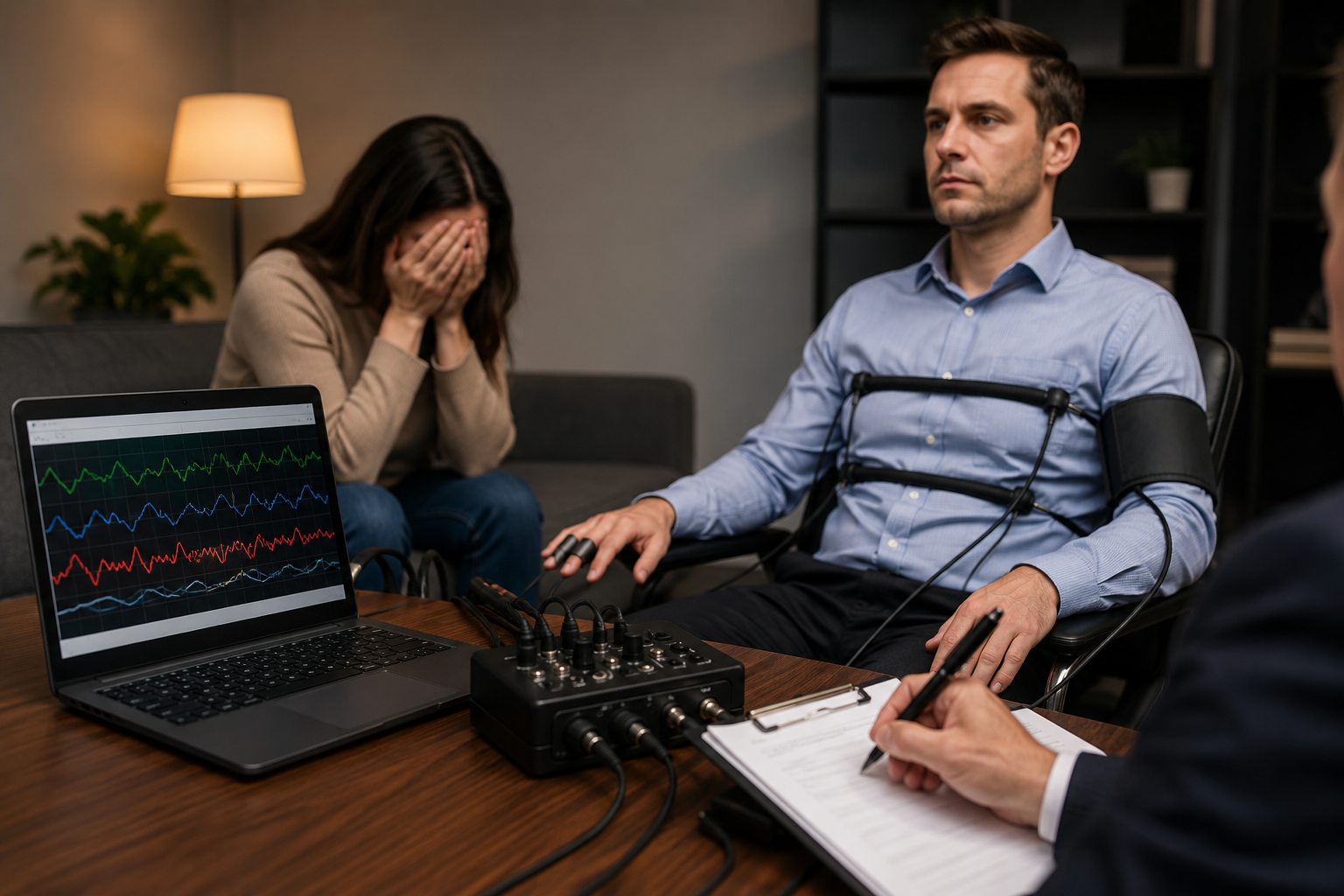

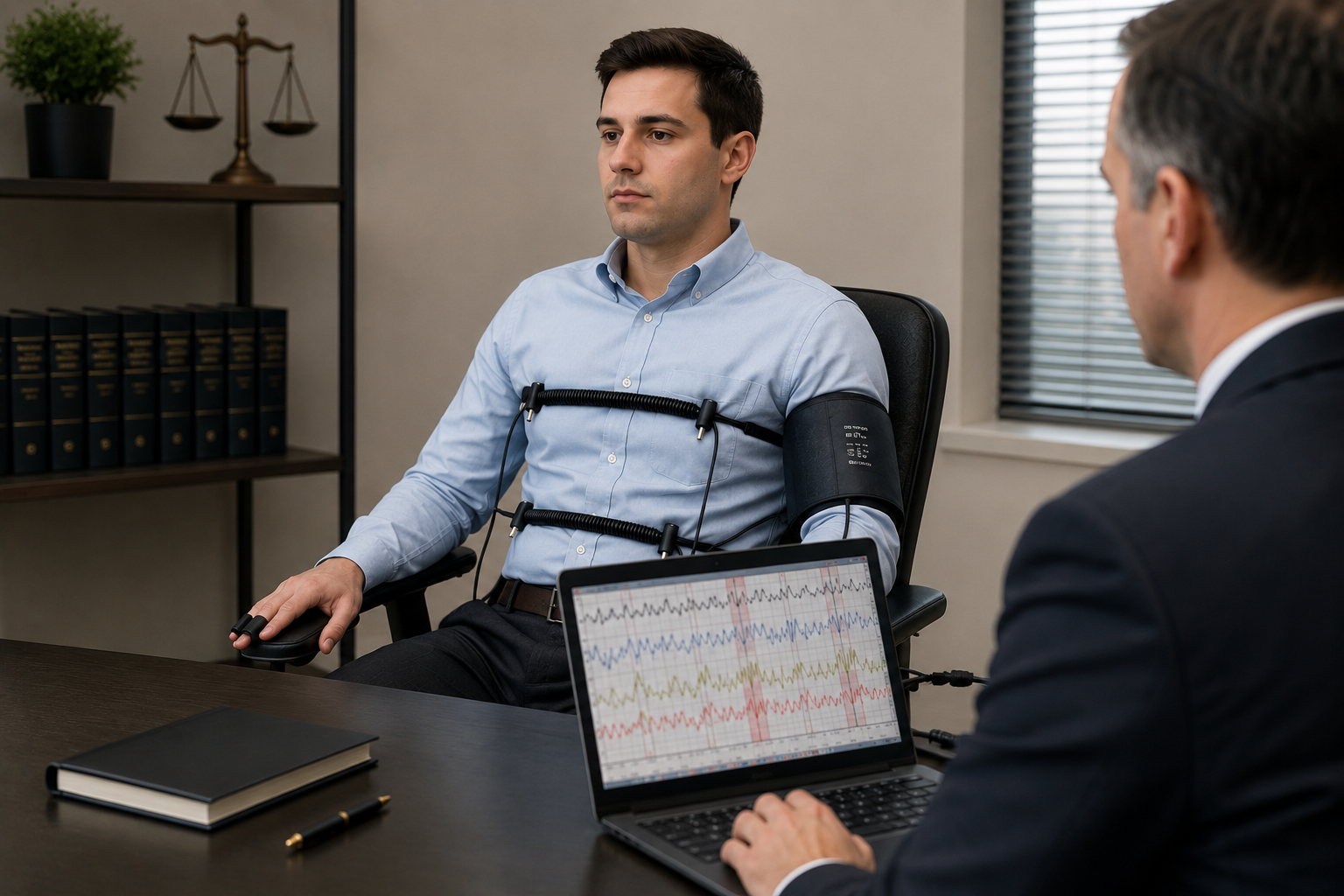
When facing legal challenges, uncertainty can quickly become overwhelming. For many attorneys and clients, a pre-trial polygraph examination can provide valuable insight before a case reaches the courtroom. Whether your lawyer recommends testing to support negotiations, evaluate credibility, or strengthen a defense strategy, understanding the process can help reduce anxiety and ensure you are properly prepared.
In this legal polygraph preparation guide, we’ll explain the full pre trial polygraph examinations process, what happens during the exam, and how an attorney requested polygraph test may fit into your defense strategy.
What Is a Pre-Trial Polygraph Examination?
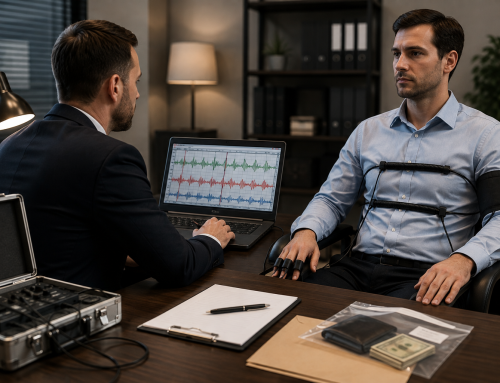
A pre-trial polygraph examination is a privately administered lie detector test conducted before a criminal or civil case goes to trial. Defense attorneys often use these examinations during the investigative or negotiation stages of a case to gather additional information, assess credibility, or support plea discussions.
Unlike television portrayals, a professional polygraph examination is not designed to intimidate or trap the examinee. Instead, it is a structured and carefully controlled process intended to evaluate physiological responses while answering clearly defined questions.
In many situations, attorneys request private polygraph testing early in a case because favorable results may assist with pre-trial negotiations or case strategy.
Why Attorneys Request Polygraph Testing
An attorney requested polygraph test may serve several strategic purposes, including:
- Evaluating the consistency of a client’s statements
- Supporting pre-trial negotiations
- Assessing whether additional investigation is necessary
- Preparing for possible prosecution questioning
- Identifying weaknesses or strengths in a defense strategy
- Assisting with bond, probation, or sentencing discussions in certain jurisdictions
It is important to understand that polygraph admissibility varies by jurisdiction. Many courts limit or exclude polygraph evidence, although attorneys may still use the results strategically outside the courtroom.
The Pre Trial Polygraph Examinations Process
Understanding each phase of the examination can help you feel more confident and prepared.
1. Initial Consultation
Before the examination begins, the examiner typically speaks with the attorney and the client to understand the details of the case and determine the scope of testing.
During this stage, the examiner may review:
- Case background information
- Relevant timelines
- Prior statements
- Specific allegations
- The attorney’s objectives for testing
The examiner will also explain the testing procedures, confidentiality policies, and what to expect during the session.
2. Pre-Test Interview
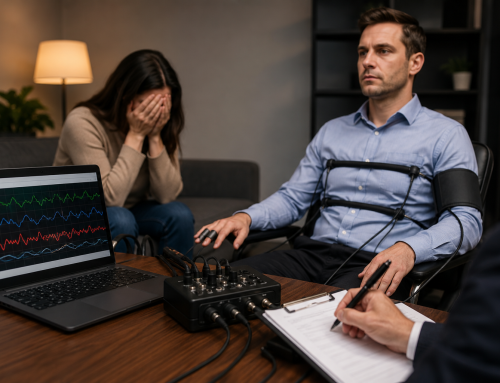
The pre-test interview is one of the most important parts of the process. During this phase, the examiner discusses all test questions in advance and ensures the examinee fully understands them.
Professional examiners aim to create clear, direct, and unambiguous questions. This stage may include:
- Reviewing personal background information
- Clarifying terminology
- Discussing medical conditions or medications
- Explaining how the equipment works
- Addressing nervousness or misconceptions about testing
Most people are naturally nervous before a polygraph examination. Nervousness alone does not automatically indicate deception.
3. The Polygraph Examination
Once the pre-test interview is complete, the actual examination begins.
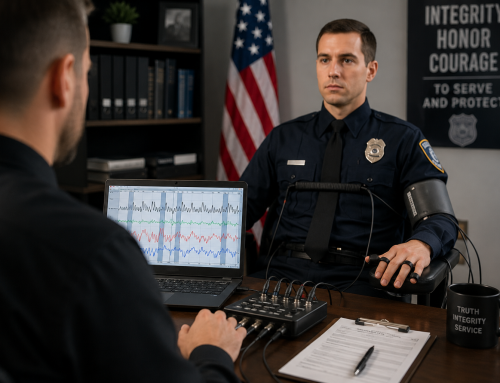
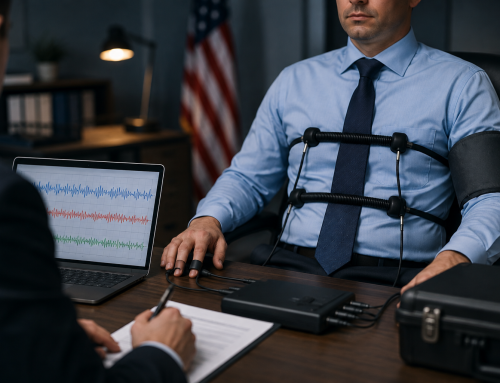
The examinee is connected to specialized sensors that monitor physiological responses such as:
- Breathing patterns
- Heart rate
- Blood pressure
- Skin conductivity
The examiner then asks a series of carefully structured questions while recording physiological responses.
Professional testing environments are controlled and distraction-free to help maintain accuracy and consistency throughout the examination process.
4. Data Analysis and Review
After the testing phase, the examiner reviews the collected data charts and analyzes the physiological responses.
Depending on the examiner and case complexity, results may be discussed shortly after the exam or delivered later in a formal report to the attorney.
Possible outcomes may include:
No significant indications of deception
Significant indications of deception
Inconclusive findings
How to Prepare for a Legal Polygraph Examination
If your attorney recommends testing, proper preparation can help you approach the process calmly and professionally.
Get Adequate Rest
Sleep deprivation can increase stress and reduce concentration during the examination.
Follow Your Attorney’s Guidance
Always discuss the examination with your attorney beforehand. Your legal counsel can explain how the results may impact your case strategy.
Be Honest During the Pre-Test Interview
The examiner’s goal is to establish clear communication and accurate testing conditions. Being transparent during the interview phase is important.
Avoid Trying to “Beat” the Test
Attempting to manipulate or interfere with the examination can negatively affect the process and may create additional concerns. Professional examiners are trained to identify countermeasure attempts.
Stay Calm and Listen Carefully
Take your time when answering questions. If something is unclear, ask for clarification before responding.
Are Pre-Trial Polygraph Results Admissible in Court?
This is one of the most common questions clients ask.
The admissibility of polygraph evidence varies by state and jurisdiction. Many courts remain cautious regarding polygraph evidence, while some jurisdictions allow limited admissibility under specific conditions.
However, even when results are not formally admitted at trial, attorneys may still use polygraph examinations during:
- Case evaluations
- Plea negotiations
- Bail hearings
- Sentencing discussions
- Investigative preparation
This is why many defense attorneys view pre-trial polygraph examinations as a strategic investigative tool rather than simply courtroom evidence.
Facing legal proceedings can be stressful, but understanding the pre-trial polygraph examination process can help reduce uncertainty. A professionally administered polygraph examination provides attorneys and clients with additional information that may assist with legal strategy, negotiations, and case preparation.
If your attorney has recommended a polygraph examination, working with an experienced and qualified examiner is essential. Clear communication, professionalism, and proper preparation all play an important role in ensuring the testing process is conducted fairly and effectively.
For confidential questions about attorney-requested polygraph testing or to schedule an examination, contact our office today.