
In modern policing, accuracy and credibility are critical. One investigative tool that continues to support agencies across the country is law enforcement polygraph testing. When used professionally and ethically, polygraph examinations help investigators verify statements, narrow suspect pools, and uncover new leads—ultimately strengthening criminal investigations.
What Is Law Enforcement Polygraph Testing?
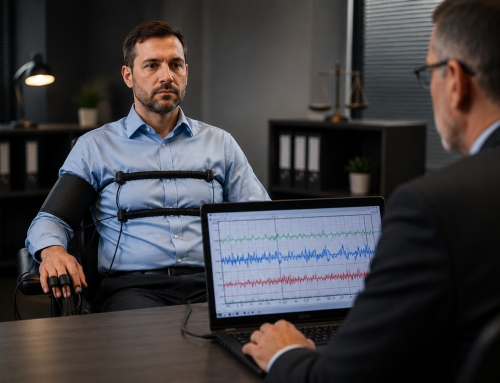
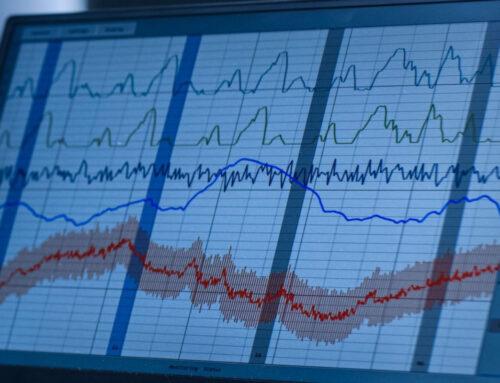
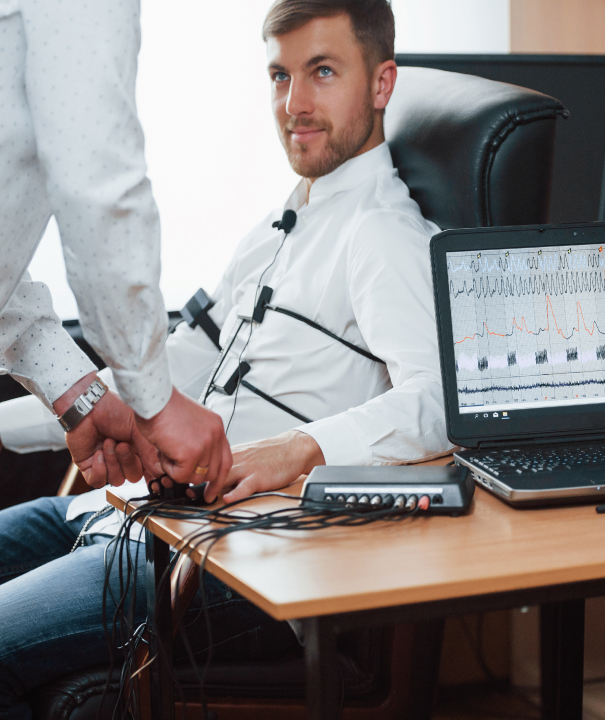
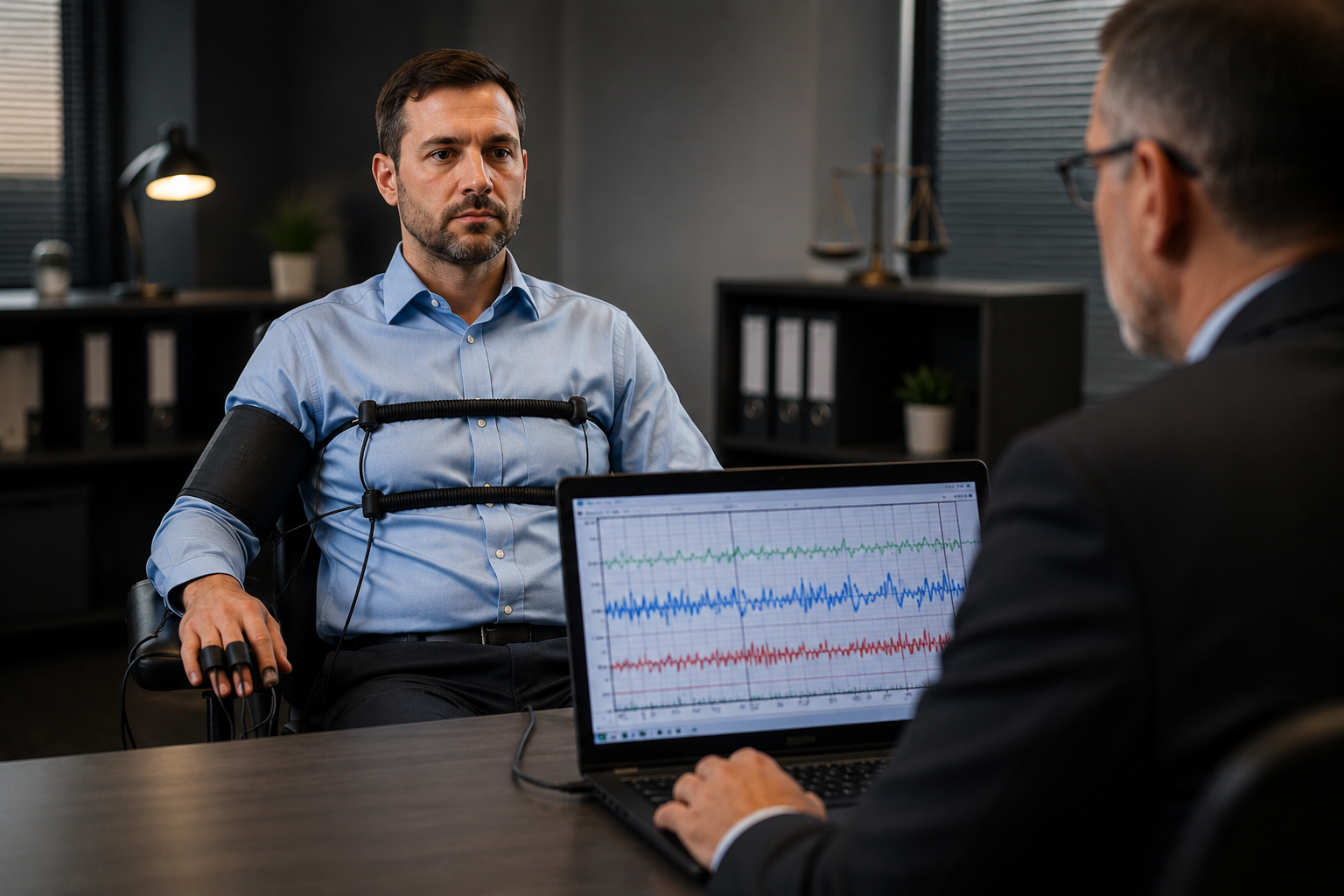
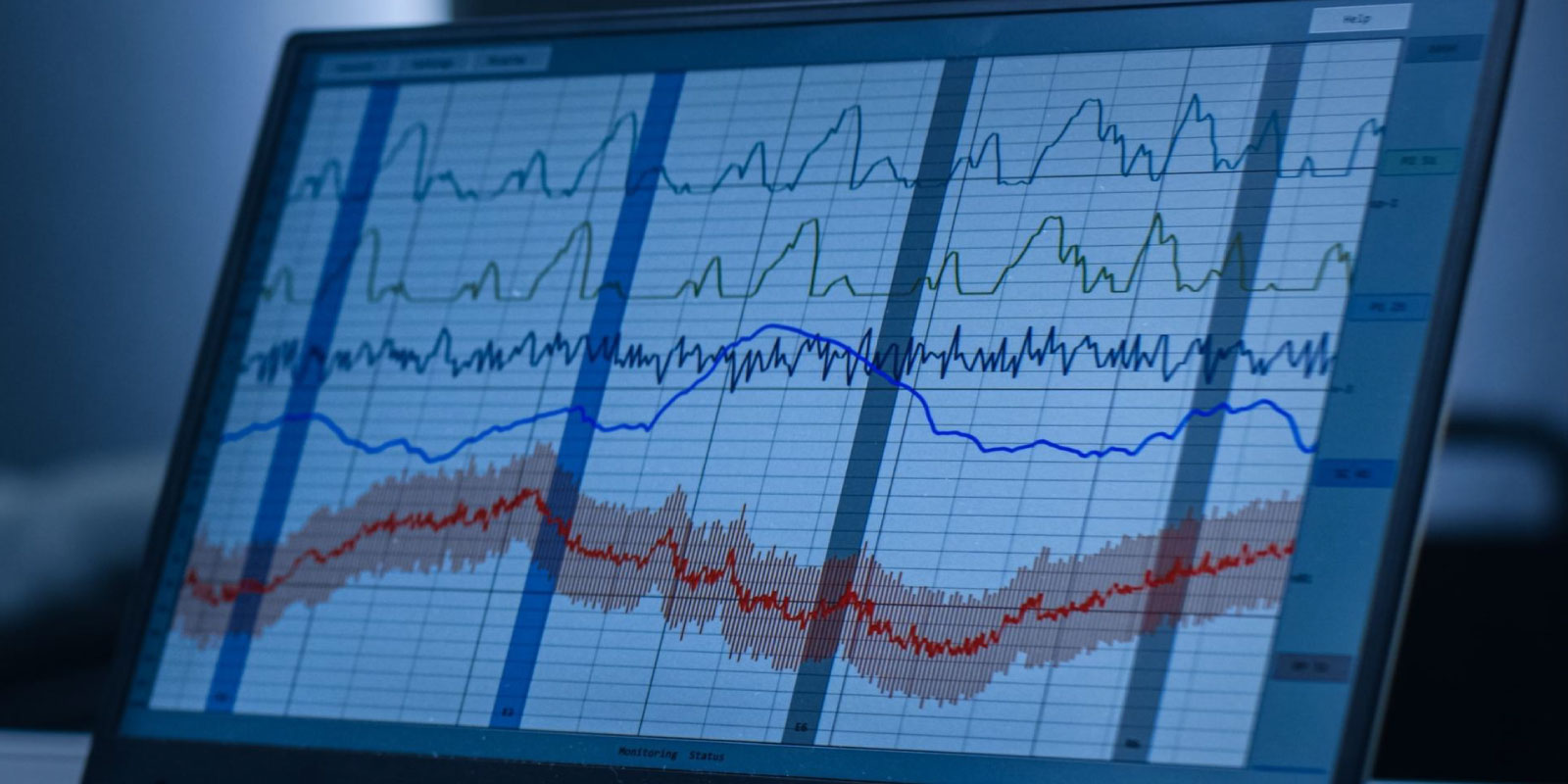
A polygraph test, often referred to as a “lie detector test,” measures physiological responses such as heart rate, blood pressure, respiration, and skin conductivity while a subject answers structured questions. The premise is that deceptive answers may produce distinct physiological reactions.
Although polygraph results are not always admissible in court, they are widely used by agencies such as the Federal Bureau of Investigation and other federal, state, and local departments as an investigative aid.
How Polygraph Testing Supports Criminal Investigations
1. Verifying Statements
Investigators often face conflicting accounts from witnesses, victims, and suspects. Polygraph testing can:
-
Assess the credibility of statements
-
Identify inconsistencies
-
Encourage truthful disclosures
In many cases, subjects provide additional information before or after the examination, which can significantly advance an investigation.
2. Narrowing the Suspect Pool
When multiple individuals are under investigation, polygraph exams can help eliminate those not involved. This allows law enforcement to:
-
Focus resources efficiently
-
Reduce investigative time
-
Minimize wrongful suspicion
By narrowing the field, investigators can concentrate on viable leads and build stronger cases.
3. Supporting Post-Conviction and Internal Investigations
Polygraph testing is also used in:
-
Post-conviction assessments
-
Sex offender monitoring programs
-
Internal affairs investigations
-
Pre-employment screening for law enforcement agencies
Organizations like the American Polygraph Association provide standards, training, and ethical guidelines to ensure professional administration.
The Polygraph Examination Process
Understanding the structured nature of the exam helps clarify its value.
Pre-Test Interview
The examiner reviews the case details and explains the process. Questions are carefully formulated to ensure clarity and fairness.
In-Test Phase
Physiological responses are recorded while the subject answers specific, direct questions.
Post-Test Analysis
The examiner analyzes the data and provides findings to investigators. Importantly, polygraph results are used as one component of a broader investigative strategy—not as sole evidence of guilt or innocence.
Benefits of Professional Polygraph Services
When conducted by certified examiners, polygraph testing offers several advantages:
-
Objective physiological data
-
Structured questioning techniques
-
Professional reporting
-
Investigative direction and clarity
It also often serves as a powerful psychological tool, encouraging cooperation and truthful admissions.
Legal and Ethical Considerations
Polygraph testing must be conducted in compliance with applicable state and federal laws. Consent, transparency, and examiner certification are critical. While courts vary in admissibility standards, law enforcement agencies primarily use polygraphs as investigative tools rather than courtroom evidence.
Why Law Enforcement Agencies Continue to Use Polygraphs
Despite ongoing debate, polygraph testing remains valuable because it:
-
Generates actionable leads
-
Supports interview strategies
-
Encourages confessions
-
Helps protect the innocent
When integrated with forensic evidence, digital investigations, and traditional detective work, polygraphs contribute to comprehensive case development.
Strengthen Your Investigative Process Today
If your agency or legal team needs reliable, professional polygraph services, working with a certified examiner can make a measurable difference in your case outcomes.