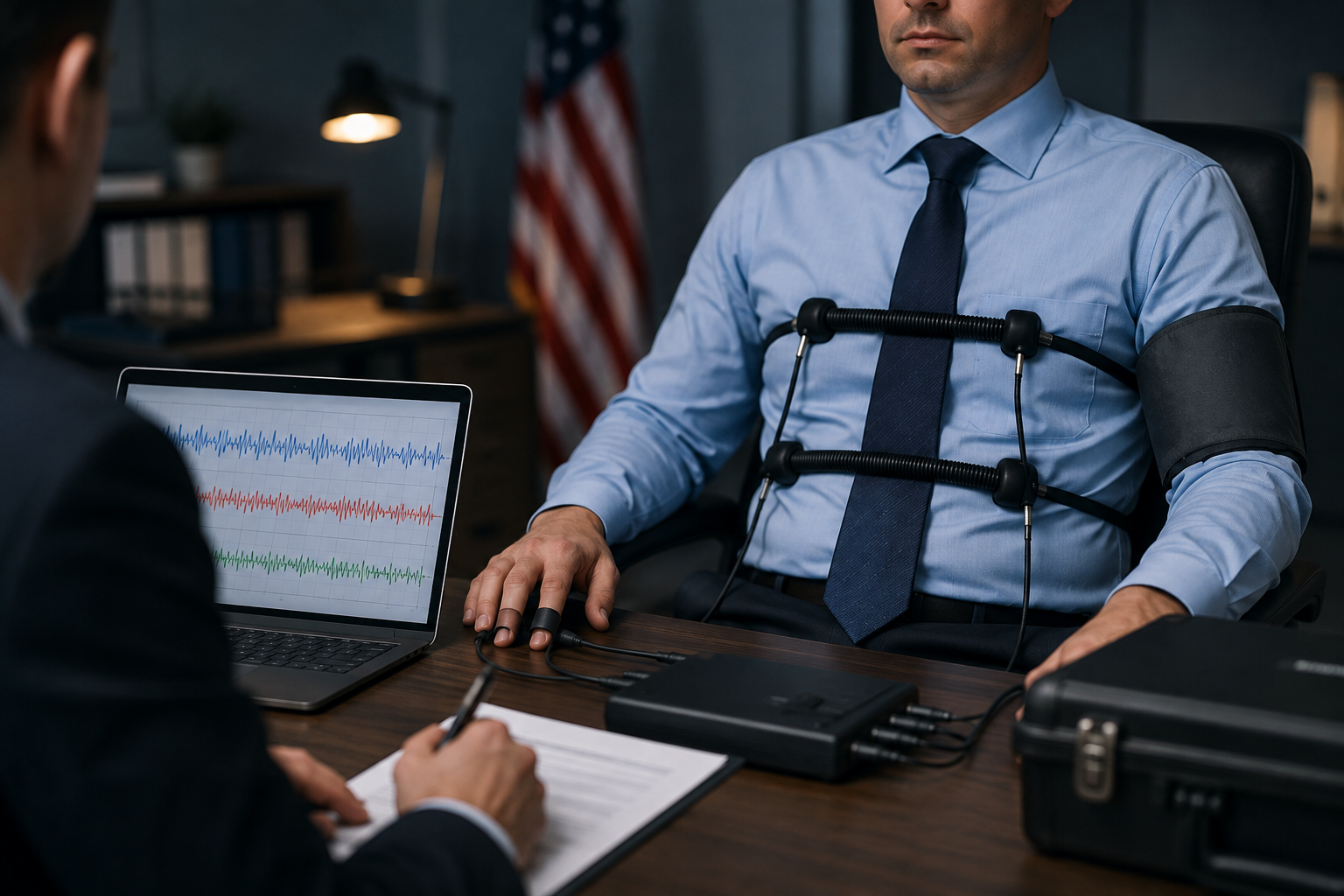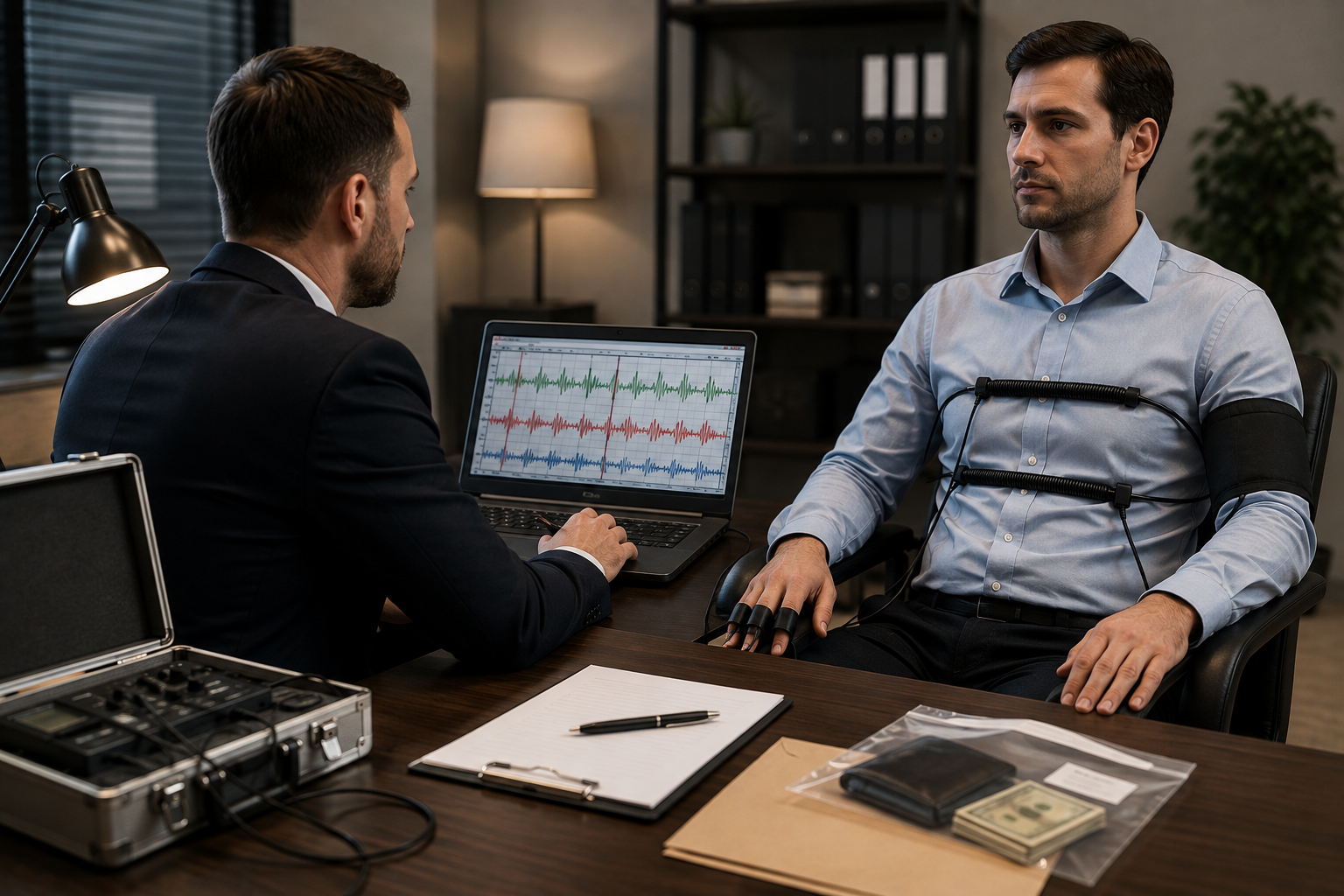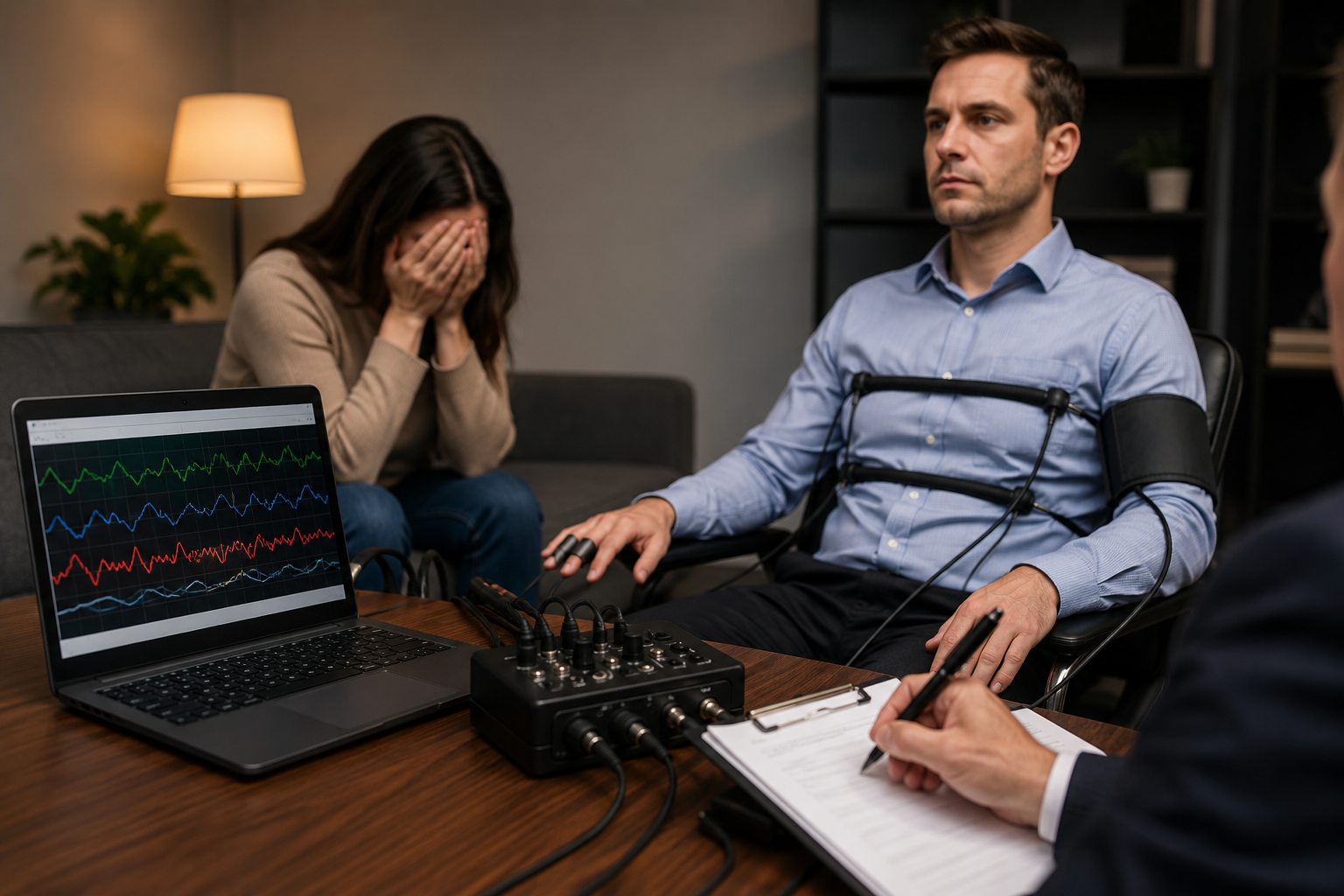


Polygraph tests—often called lie detector tests—are widely used in the United States for personal, legal, and professional purposes. While polygraph examinations can provide valuable insights, it’s important for clients to understand the legal considerations before scheduling a test. Knowing your rights, limitations, and how results may be used can help you make informed decisions and avoid misunderstandings.
Are Polygraph Tests Legal in the United States?
Yes, polygraph tests are legal in the U.S., but their use is regulated at both the federal and state levels. Laws determine when polygraph tests can be administered, who can request them, and how the results may be used. These rules are designed to protect individuals from coercion and misuse.
Polygraph Tests and Employment Law
One of the most important laws governing polygraph use is the Employee Polygraph Protection Act (EPPA). Under this federal law:
-
Most private employers cannot require or request polygraph tests for job applicants or current employees
-
Employers generally cannot use polygraph results to make hiring, firing, or disciplinary decisions
-
Certain exceptions exist for security firms, government agencies, and specific investigations involving economic loss
Because of these restrictions, employment-related polygraph testing must be handled carefully and legally.
Voluntary Testing Is Key
In most situations, polygraph examinations must be voluntary. Clients must give informed consent before testing begins. This includes understanding:
-
The purpose of the exam
-
How the test works
-
How results will be reported
-
Who will receive the results
A reputable polygraph examiner will always ensure proper consent before proceeding.
Admissibility of Polygraph Results in Court
Polygraph results are generally not admissible in U.S. courts. However, there are exceptions:
-
Some courts may allow results if both parties agree
-
Polygraph exams may be used in investigations, negotiations, or pretrial decision-making
-
Attorneys may use polygraph results to guide legal strategy rather than as direct evidence
For this reason, polygraph tests are often used as investigative or informational tools, not definitive legal proof.
State Laws May Vary
While federal law sets broad standards, state laws can differ regarding polygraph use. Some states have stricter regulations on:
-
Who may administer a polygraph
-
Licensing and certification requirements
-
Disclosure of results
Working with a licensed and experienced examiner ensures compliance with all applicable laws.
Privacy and Confidentiality
Polygraph results are considered confidential. Results should only be shared with individuals authorized by the client. Professional polygraph services prioritize discretion, privacy, and ethical standards throughout the testing process.
Why Choosing a Qualified Polygraph Examiner Matters
To protect your legal rights, it’s critical to choose a licensed, professional polygraph examiner who follows established standards. An experienced examiner understands legal boundaries, ensures voluntary participation, and provides accurate, unbiased testing.
Schedule a Professional Polygraph Examination with Confidence
If you’re considering a polygraph test for personal, legal, or professional reasons, understanding the legal landscape is the first step. Working with a trusted provider ensures your exam is conducted ethically, confidentially, and in compliance with U.S. laws.