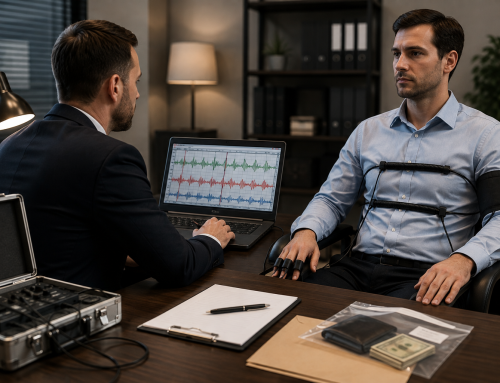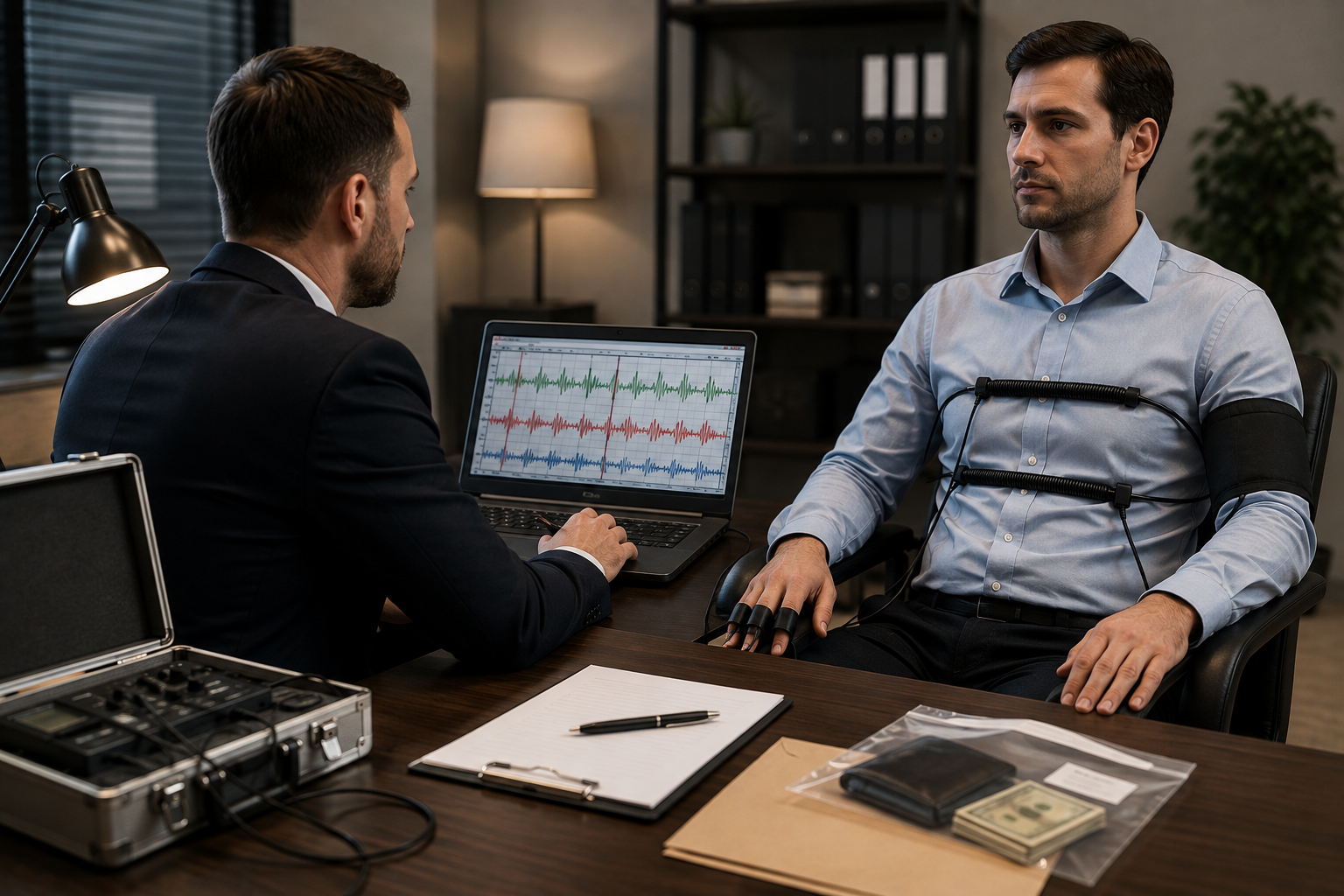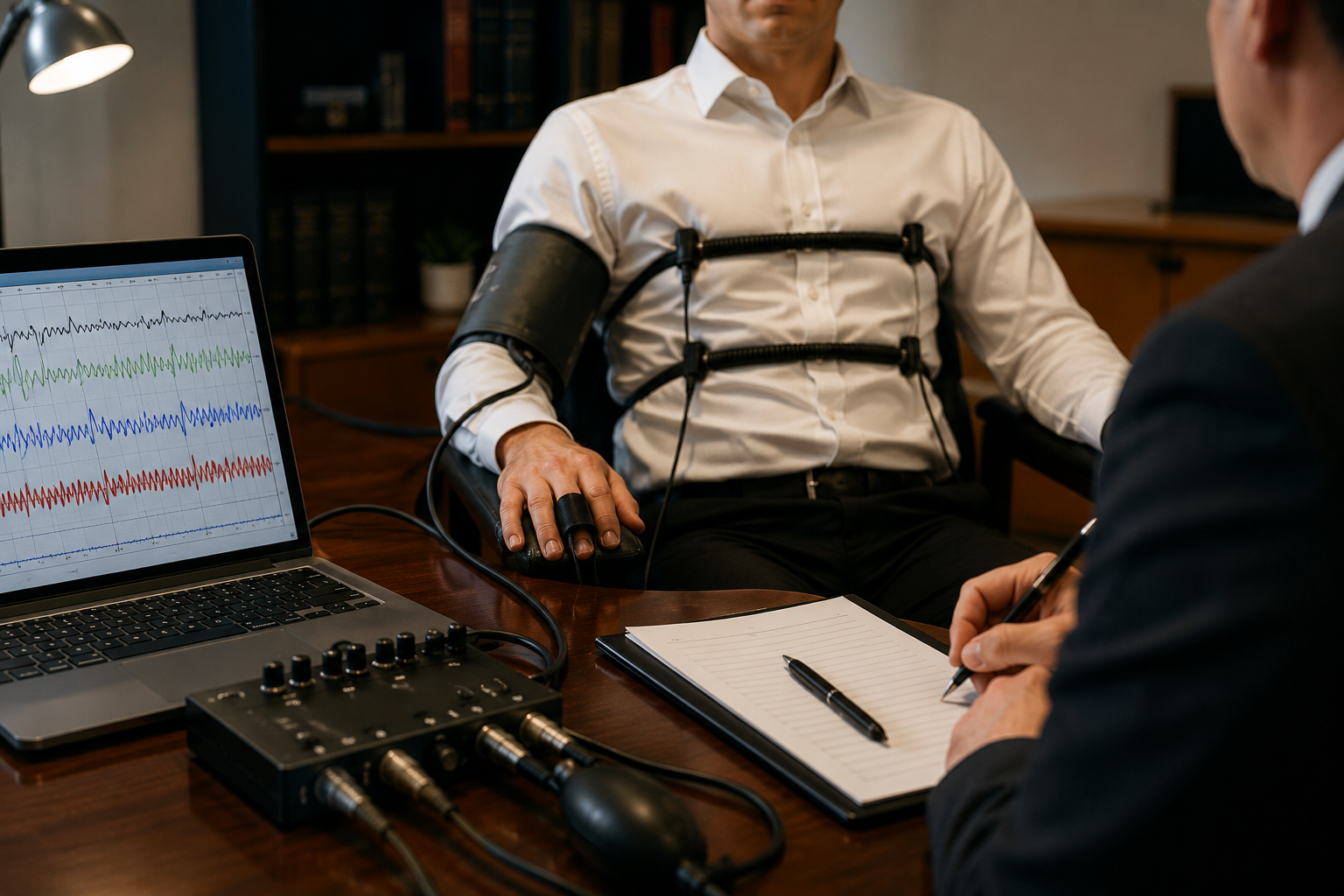

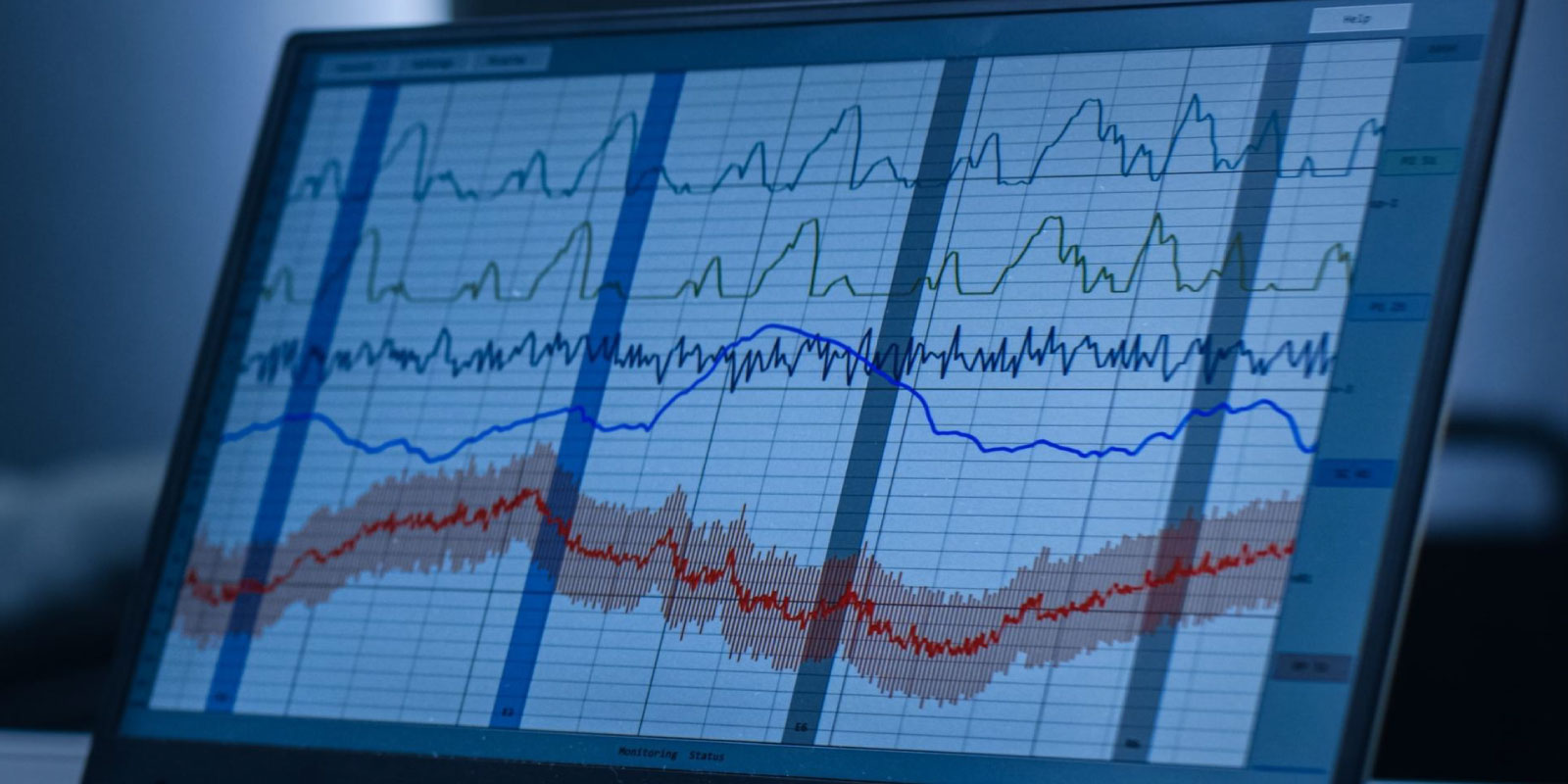
Polygraph tests, often called lie detector tests, are used to assess truthfulness in various legal and personal situations. However, not all polygraph exams are the same. The two most common types — private polygraph tests and court-ordered polygraph tests — differ greatly in purpose, process, and how results are used.
Understanding Private Polygraph Tests
A private polygraph test is usually requested by individuals, attorneys, or employers who need answers for personal, civil, or professional reasons. These tests are conducted confidentially by certified examiners and can help verify statements, resolve disputes, or prepare legal defenses.
Common reasons for private polygraph tests include:
-
Relationship or trust issues
-
Employment screening or internal investigations
-
Legal defense preparation
-
Personal or civil disputes
The main advantage of private tests is confidentiality — results are shared only with the client or authorized individuals, giving full control over who sees the findings.
What Are Court-Ordered Polygraph Tests?
Court-ordered polygraph tests are required by a judge or legal authority, usually in connection with a criminal case, probation, or parole. These tests must follow strict legal and procedural guidelines to ensure reliability and potential admissibility in court.
Examples of court-ordered polygraphs include:
-
Parole or probation monitoring
-
Criminal investigations or sentencing evaluations
-
Verification for sex offender treatment programs
Unlike private tests, court-ordered exams are not confidential. Their results are sent directly to legal authorities and may influence sentencing or compliance decisions.
Key Differences Between Private and Court-Ordered Polygraphs
| Aspect | Private Polygraph | Court-Ordered Polygraph |
|---|---|---|
| Requested By | Individual, attorney, or employer | Judge or law enforcement |
| Purpose | Personal, civil, or employment matters | Legal compliance or evidence gathering |
| Confidentiality | Results are private | Results shared with court or legal agencies |
| Admissibility | Generally not admissible unless agreed | May be admissible under court order |
Which Type Do You Need?
If you’re facing a legal issue or want to verify information privately, it’s important to choose the right type of polygraph test. A private polygraph offers discretion and peace of mind, while a court-ordered test ensures compliance with legal requirements.
If you need a reliable, certified polygraph examiner, contact our team today. We offer both private and court-approved polygraph services to help you get accurate, professional results when you need them most.
📞 Call now or schedule your confidential appointment online!